

Brexit significantly altered the financial planning landscape for expatriates in Europe, particularly for UK nationals. Many expatriates now face challenges in managing investments, pensions and long-term wealth due to changes in cross-border financial regulations.
Viewing posts from: November 2000
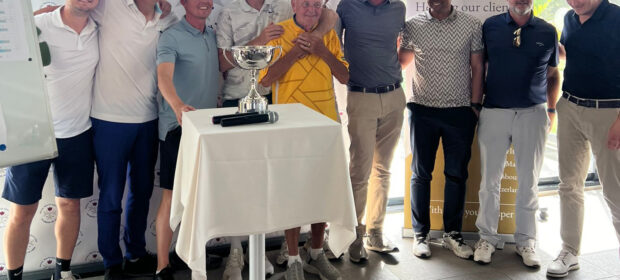
Nations Cup at Royal Malta Golf Club – Round Three
By Craig Welsh
This article is published on: 16th April 2026
16.04.26
Scandinavia & Nordics Deliver Again!
The final round of the Spectrum Nations Cup brought the competition to a thrilling conclusion, with momentum swings and decisive performances shaping another dramatic finish.
Entering Sunday with a 1.5-point lead, the Rest of the World team looked well placed to secure the title. However, Great Britain & Ireland refused to play a supporting role. Producing their strongest performance of the tournament, GB & I stormed to an emphatic 5–1 victory, dismantling RoW’s advantage and reopening the race at the top.
While GB & I disrupted the standings, Scandinavia & Nordics showed the composure expected of defending champions. Facing a determined Malta side, they secured the result they needed, drawing 3-3. It proved decisive. In a competition defined by fine margins, a half-point made all the difference.
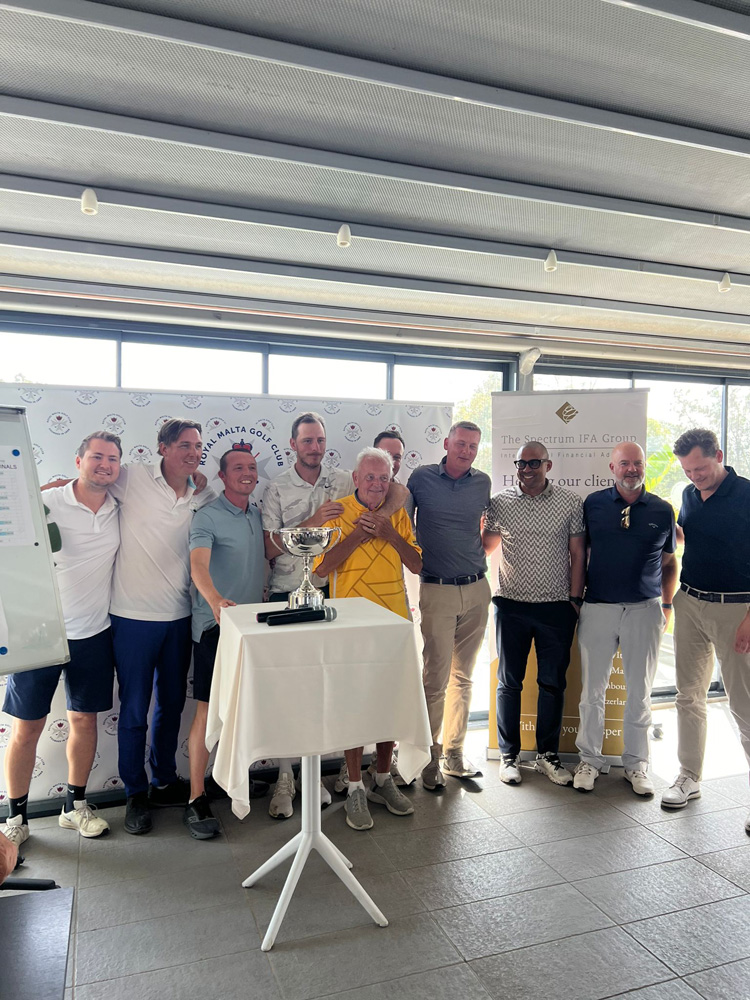
Finishing just half a point clear at the top of the standings, Scandinavia & Nordics retained the Nations Cup title, underlining their resilience and ability to deliver under pressure.
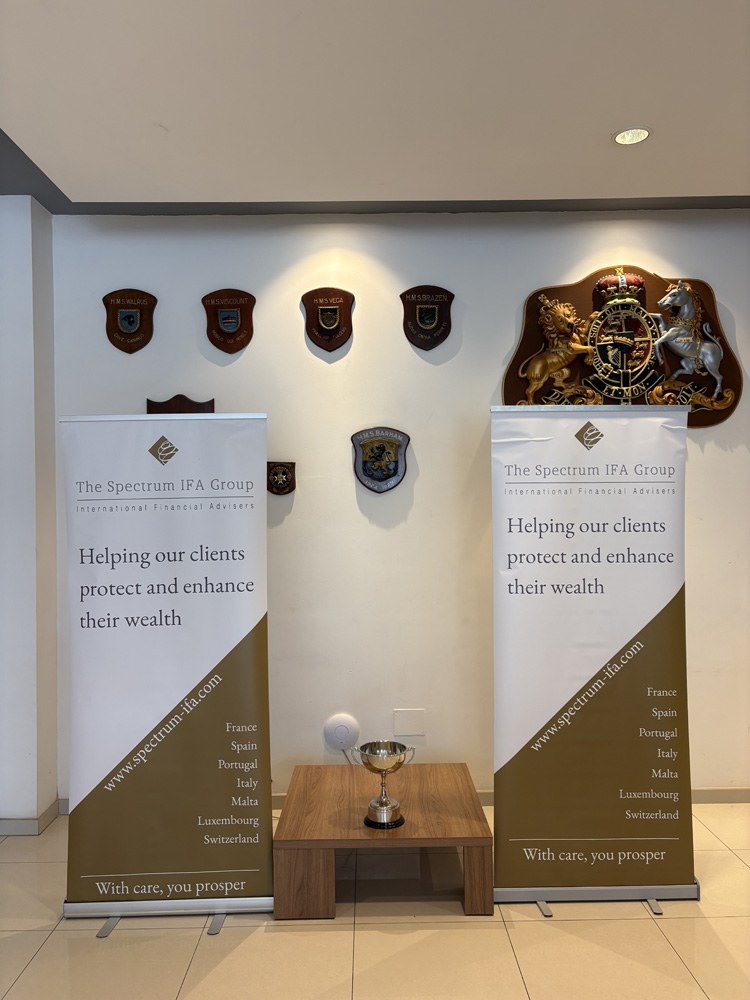
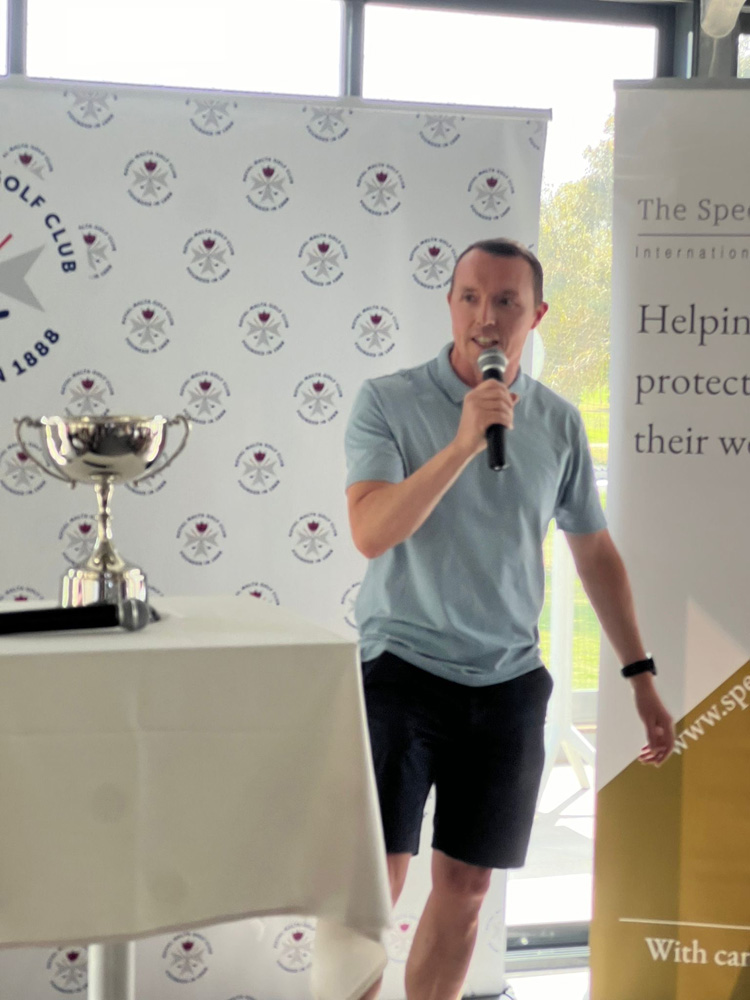
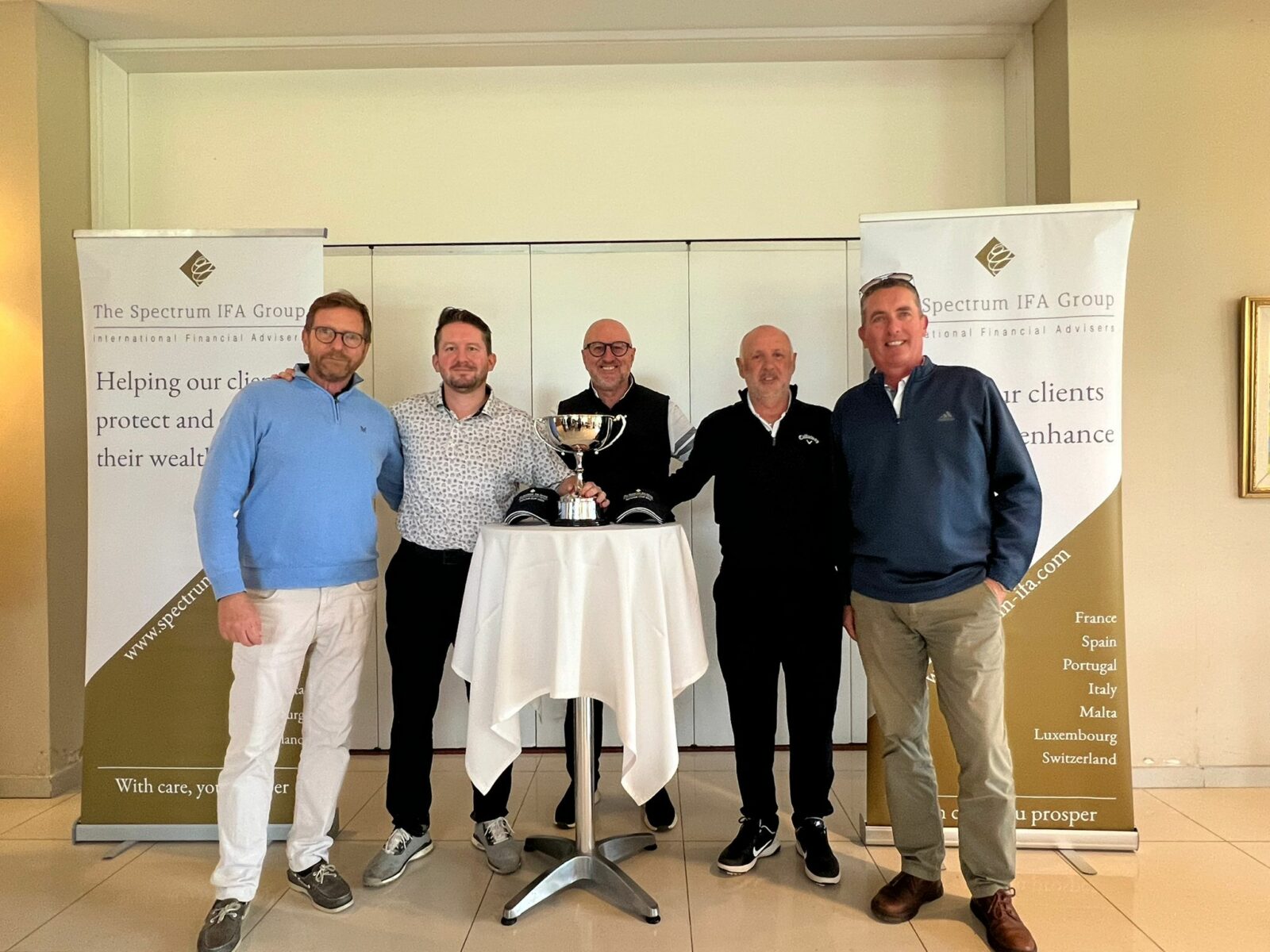
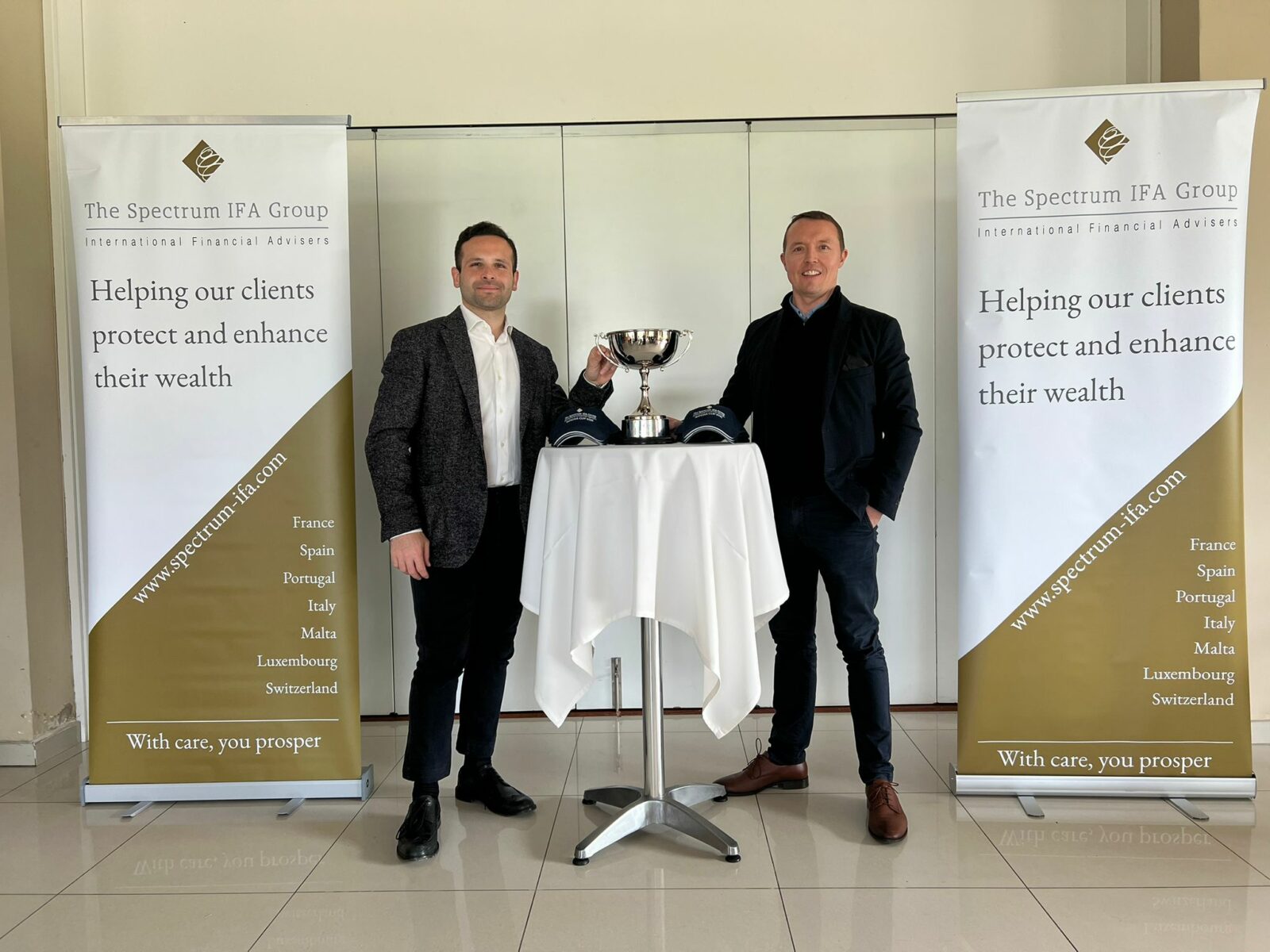
The Spectrum IFA Group once again proudly supported the tournament, with Craig Welsh & Jozef Spiteri present throughout the event. Their continued backing helps sustain a competition built on quality, sportsmanship, and drama.
The trophy remains with Scandinavia & Nordics — see you next year for more drama!
The Nations Cup is organised by the Royal Malta Golf Club
Specialised financial planning for expatriates across Europe
By Craig Welsh
This article is published on: 5th February 2026
05.02.26
As part of the UK’s exit from the European Union, financial services were excluded from the Withdrawal Agreement. This removed passporting rights that previously allowed UK-based financial advisers to operate across the EU. As a result, many UK advisers and institutions are no longer authorised to provide financial advice to clients living in the EU, leaving many without access to suitable planning and guidance.
For expatriates, this can create serious risks. Existing investment structures may no longer be tax-efficient, pension arrangements may not comply with local regulations, and important considerations such as inheritance planning, currency exposure and local tax reporting can be overlooked without properly authorised advice.

The Spectrum IFA Group specialises in financial planning and wealth management for expatriates throughout Europe. Licensed across the entire European Economic Area (EEA), Spectrum has offices in six EU countries, and Switzerland; however, we are also able to offer advice to expatriates living further afield, including for example in Germany, Poland, Greece and across Eastern Europe.
Our clients benefit from access to secure, well-regulated, and tax-efficient investment solutions designed specifically for expatriates. We also help with cashflow forecasting, modelling a range of retirement scenarios, such as when you can retire and whether your current assets will be sufficient to provide financial security for the long term. By working with experienced and qualified advisers who understand both UK and EU financial and regulatory frameworks, our clients can reliably protect their wealth, reduce tax exposure, and plan confidently for the future.
With expertise in cross-border financial planning, The Spectrum IFA Group helps expatriates across the EU make their finances truly Brexit-proof, providing clarity, stability, and long-term financial security.
The Spectrum IFA Group at the Creasy Cup Dinner, Malta
By Craig Welsh
This article is published on: 20th November 2025

20.11.25

Connecting Over Tradition
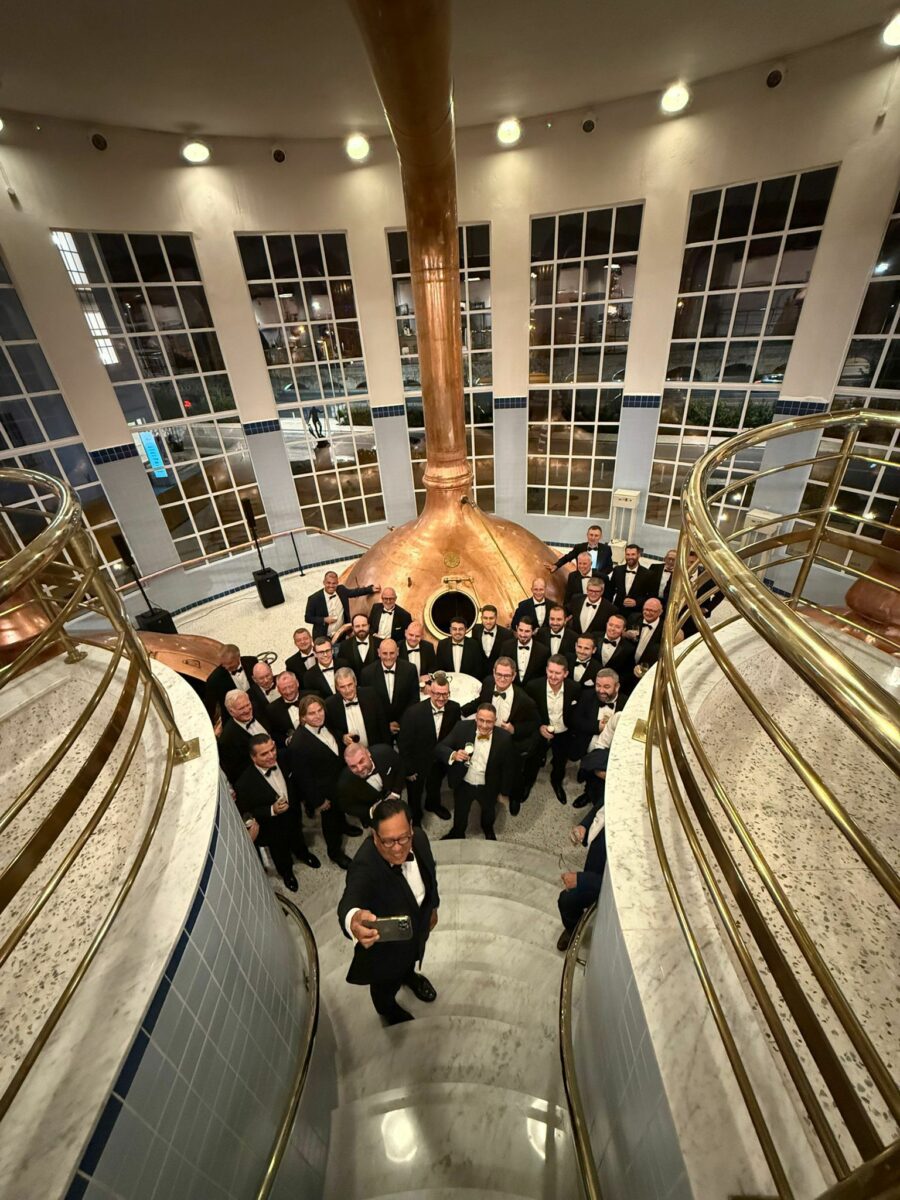
Craig Welsh and Jozef Spiteri from The Spectrum IFA Group Malta joined members of the Royal Malta Golf Club at the recent Creasy Cup Dinner, held this year at the iconic Farsons Beer Factory.
The event, which traditionally precedes the annual Creasy Cup tournament, brought together club members, sponsors, and friends of the game for an evening of fine dining, conversation, and shared enthusiasm for one of Malta’s most anticipated sporting weekends.
Celebrating Local Traditions
The Creasy Cup holds a special place in the Royal Malta Golf Club’s history — a tournament first introduced in the 1950s and named after Sir Gerald Creasy, who presented the original trophy to the club. The pre-tournament dinner marks the beginning of the competition, offering guests the opportunity to reconnect, celebrate sporting spirit, and enjoy the camaraderie that golf so naturally inspires.
This year’s choice of venue, the Farsons Beer Factory, added a touch of Maltese heritage to the occasion. With its beautiful restoration and unique industrial character, it proved to be a fitting backdrop for an event steeped in both tradition and community.
Spectrum’s Involvement
Representing Spectrum’s Malta team, Craig and Jozef enjoyed the chance to engage with attendees from across the golfing and business communities. Their participation reflects Spectrum’s ongoing commitment to being actively involved in local life — not only through professional advice and client relationships but also by supporting events that strengthen community ties.
“It’s always a pleasure to take part in local traditions that bring people together,” said Craig Welsh. “The Creasy Cup dinner is a wonderful example of the sense of connection and friendship that the Royal Malta Golf Club is known for.”
Jozef Spiteri added, “Golf is as much about camaraderie as it is about competition — and evenings like this remind us of the shared values that connect professionals, clients, and friends alike.”
Looking Ahead
As play continues this week, all eyes turn to the greens to see who will lift the Creasy Cup trophy. For Spectrum, participation in such events highlights the firm’s belief that meaningful relationships — whether in sport, business, or everyday life — are built through shared experiences and genuine engagement.
Spectrum’s sponsorship of the popular Nations Cup event begins again on 7th December.
Nations Cup Golf – Malta
By Craig Welsh
This article is published on: 18th February 2025

18.02.25
Presented by The Spectrum IFA Group (“Spectrum”)
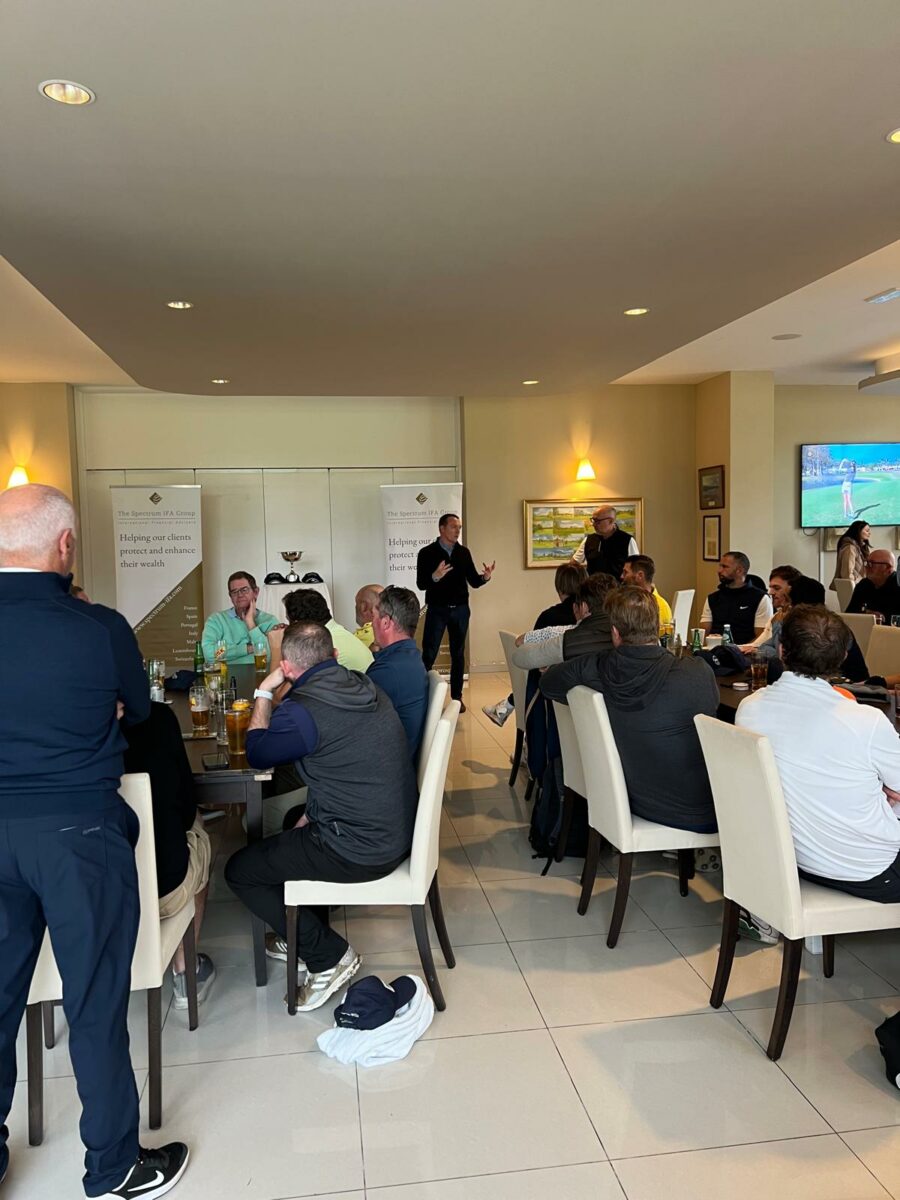
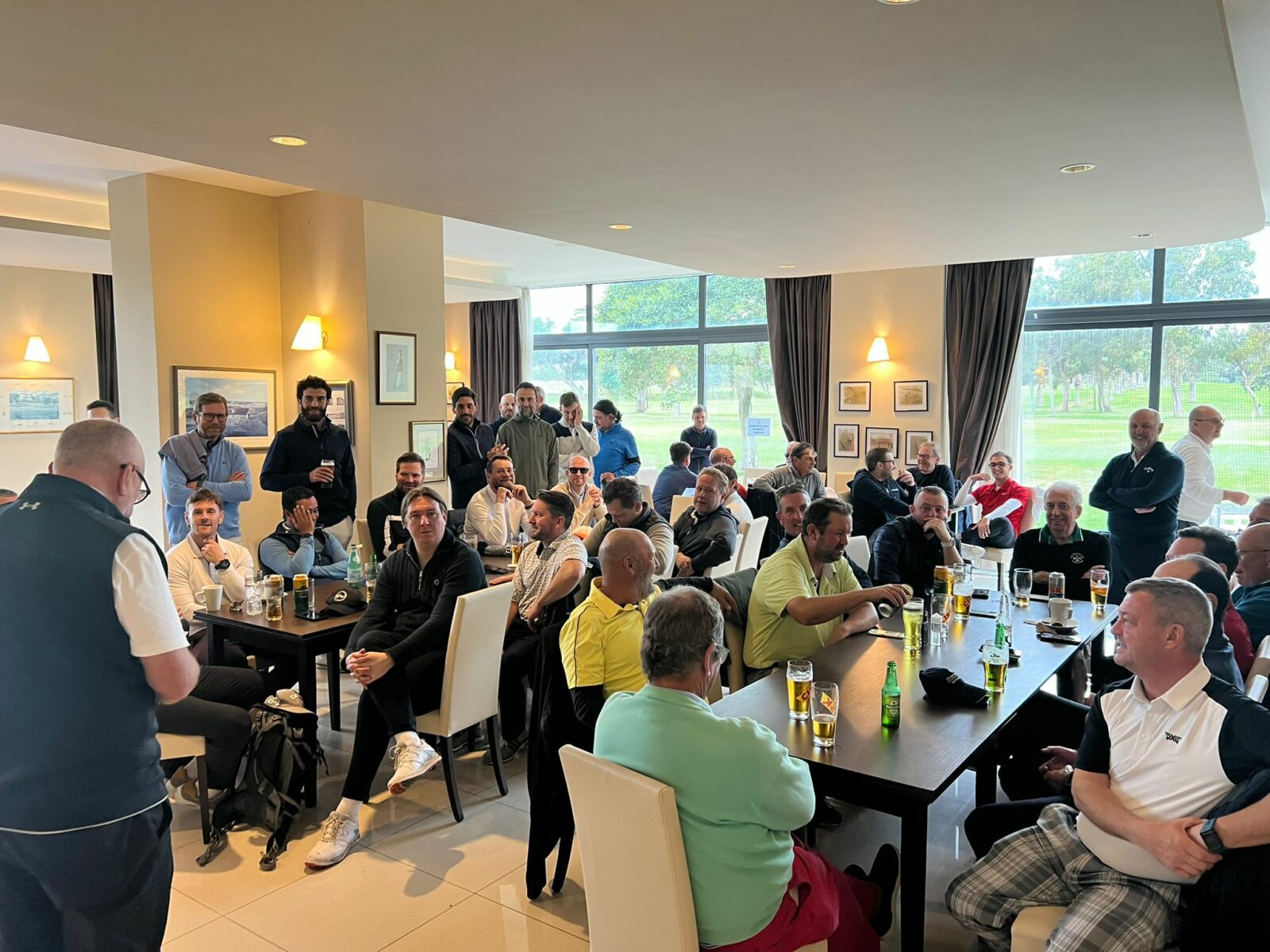
Taking place at the lovely Royal Malta Golf Club – the 3 matchday competition launching in December 2024 between teams representing Malta, GB & I, Scandinavia and Nordics and The Rest. The teams of 12, across the various club divisions, will be Captained by Nicky Urpani, Patrick Carey, Alex Hillblom and Gernot MacSchmid respectively.
Another blustery, damp and demanding day greeted Round 2.
Malta taking on the Rest and a tie. 3/3. Highlights included young pair Sam Azzorpardi and Mark Ganado decimating OOM leader Danjiel Bogdanovic and Creasy Cup holder Pavel Lunev and an equally big win for Messrs Scudamore and Crittien against the VC and Moses Kiberu. The other matches were closer and the Rest prevailed in 3 to take a tie including the Sanders/ Baltzis axis, the former playing on 2 hours sleep after watching his beloved Eagles lift the Super Bowl.
In the other Match, Scan/Nordics took 3 1/2 points from GBI who lost the overall again. Currently, Patrick Carey the team captain is under more pressure than Ange Postecoglou, the Spurs Manager, after two defeats. Will he face the axe was the question circling the clubhouse…….
Highlights in this match included another birdie barrage from Tore Lindtveit (5).
Standings:
Scandinavia/ Nordics 7
The Rest 6.5
Malta 5.5
GBI 5
SN play The Rest in the final Matchday on another Public Holiday. 31st March. So, it’s set up for a grandstand finish with the two leading teams against each other.
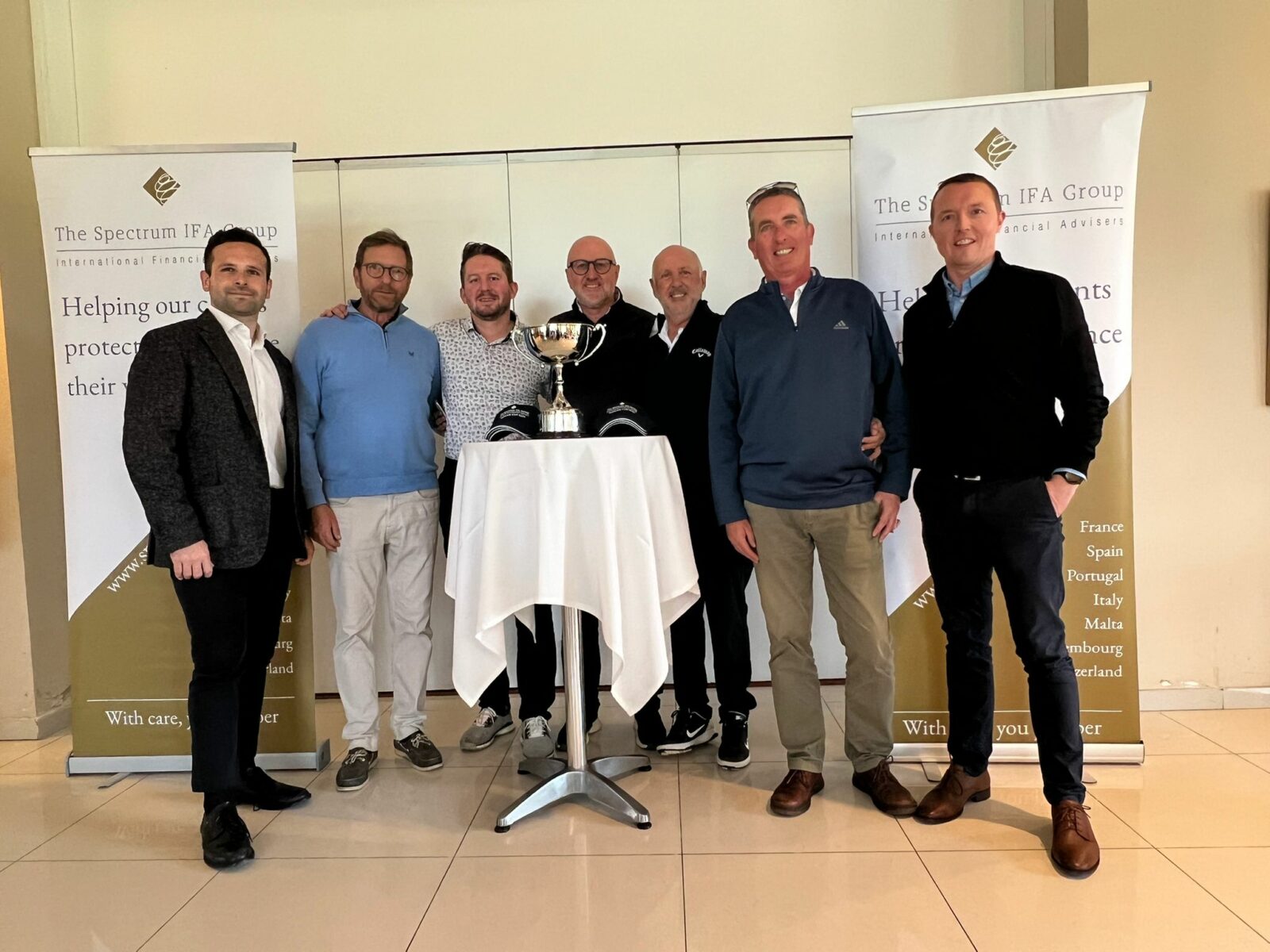
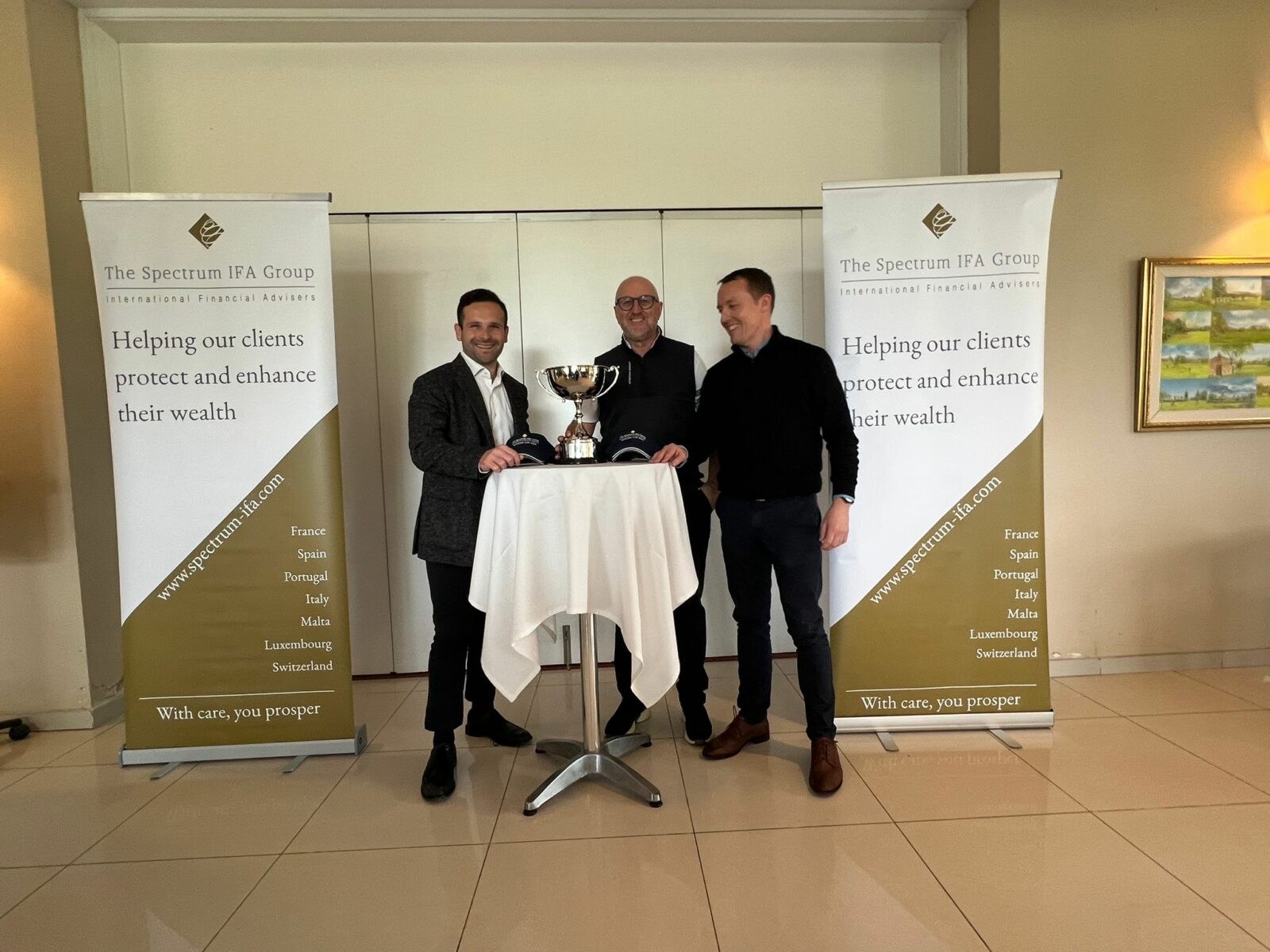
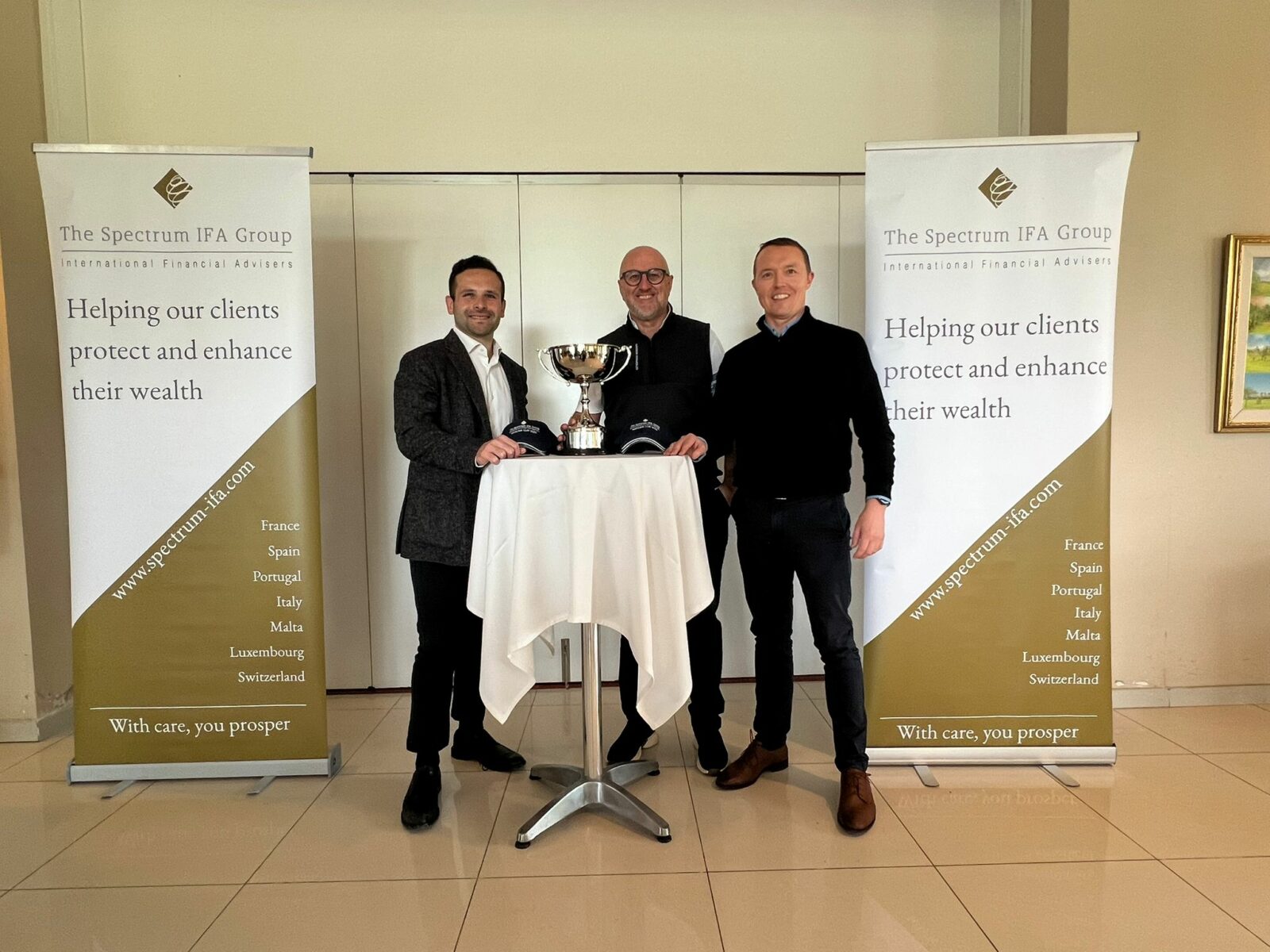
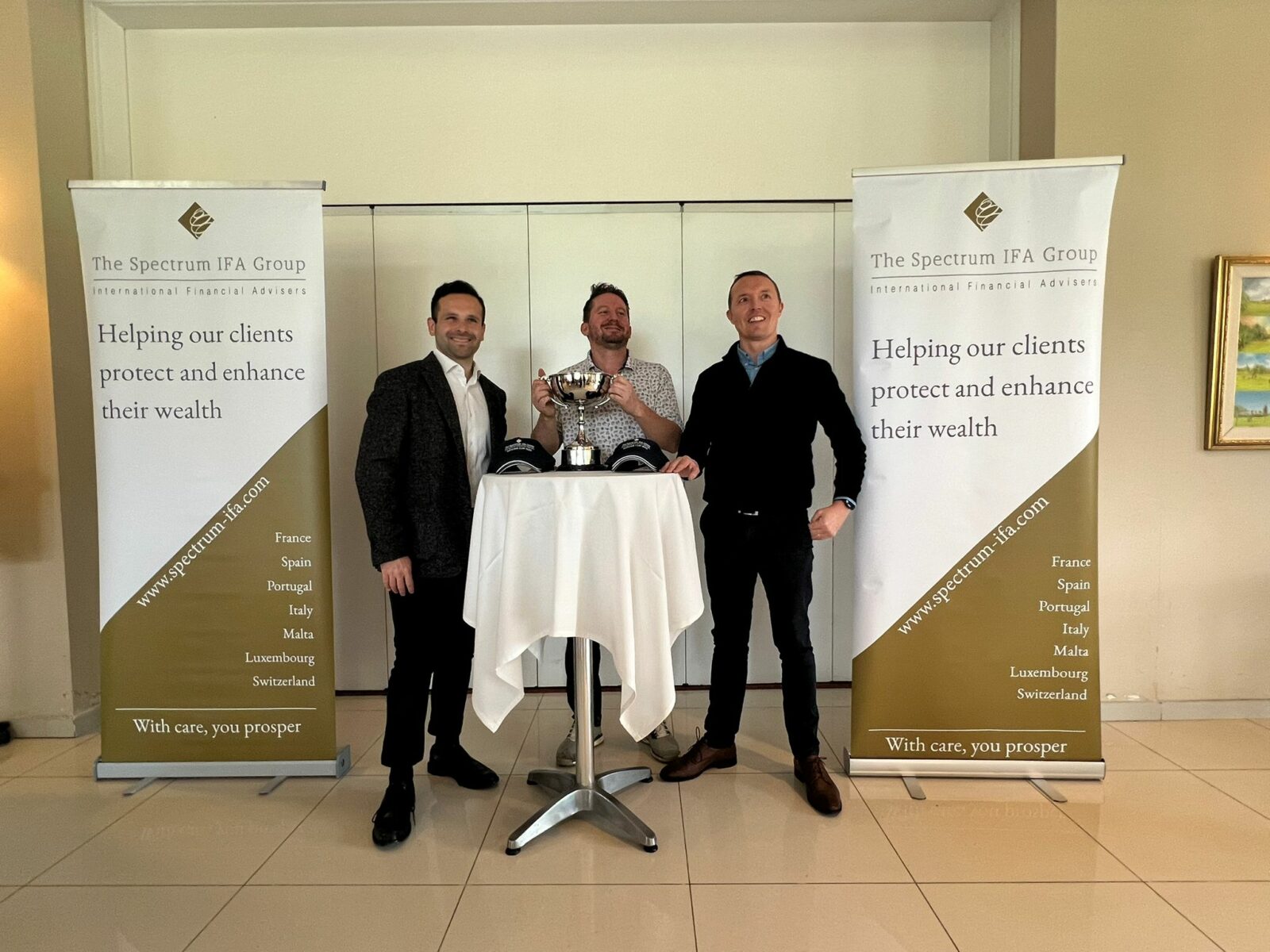
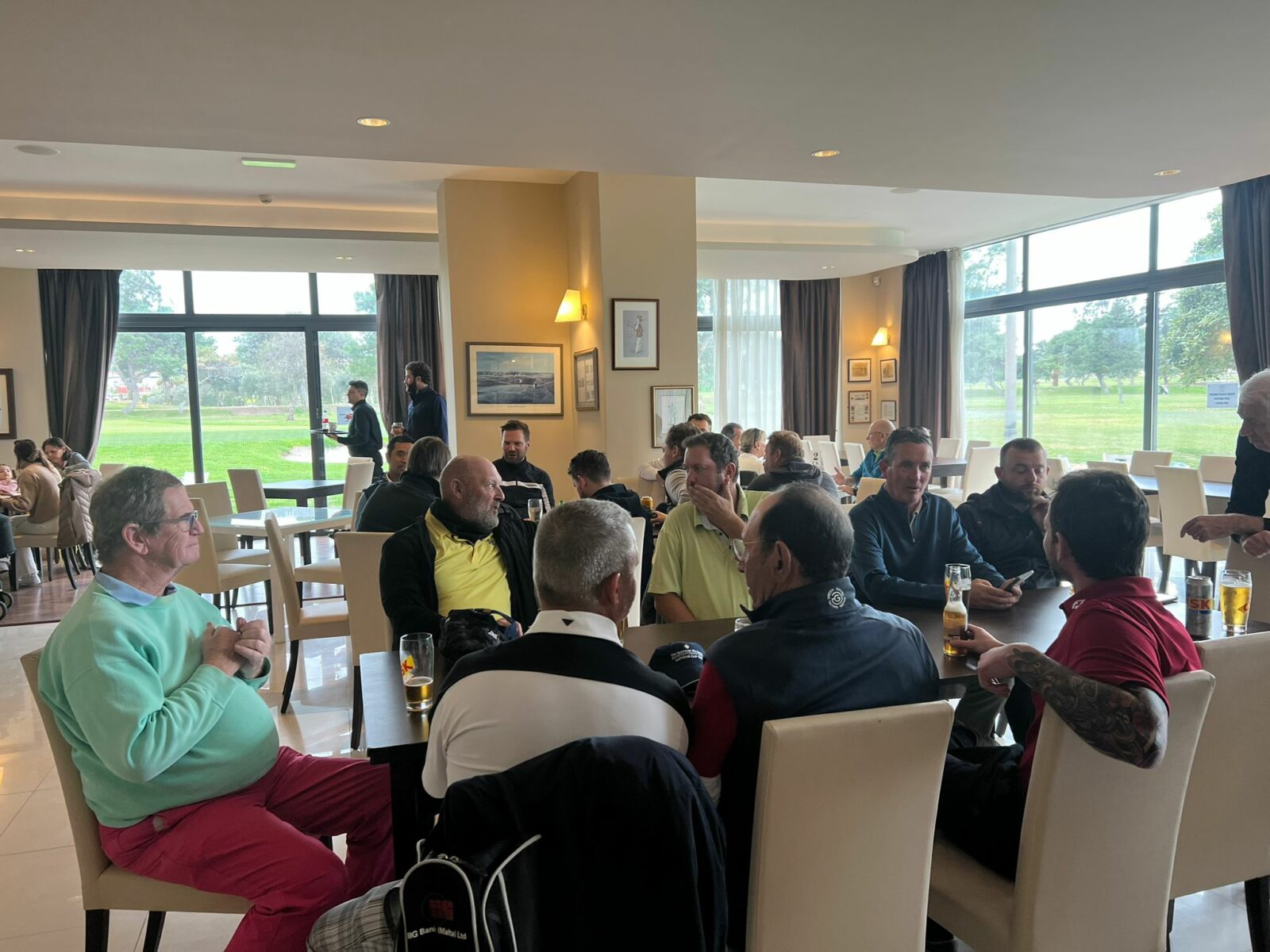
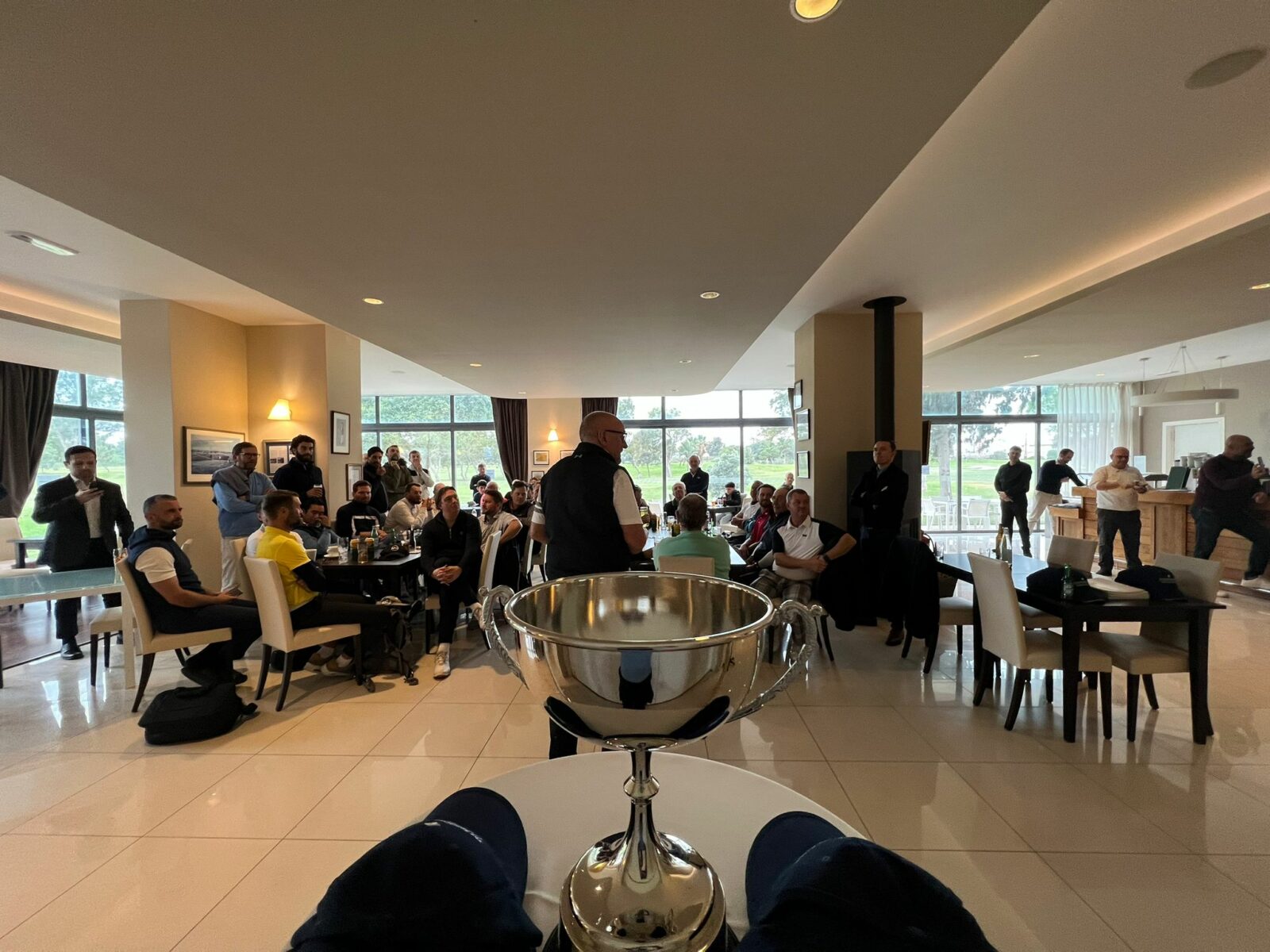
Of more importance, was a thronging clubhouse and matches played with the highest levels of sportsmanship, and the presence of our valued sponsor, Spectrum, represented by Craig and Jozef.
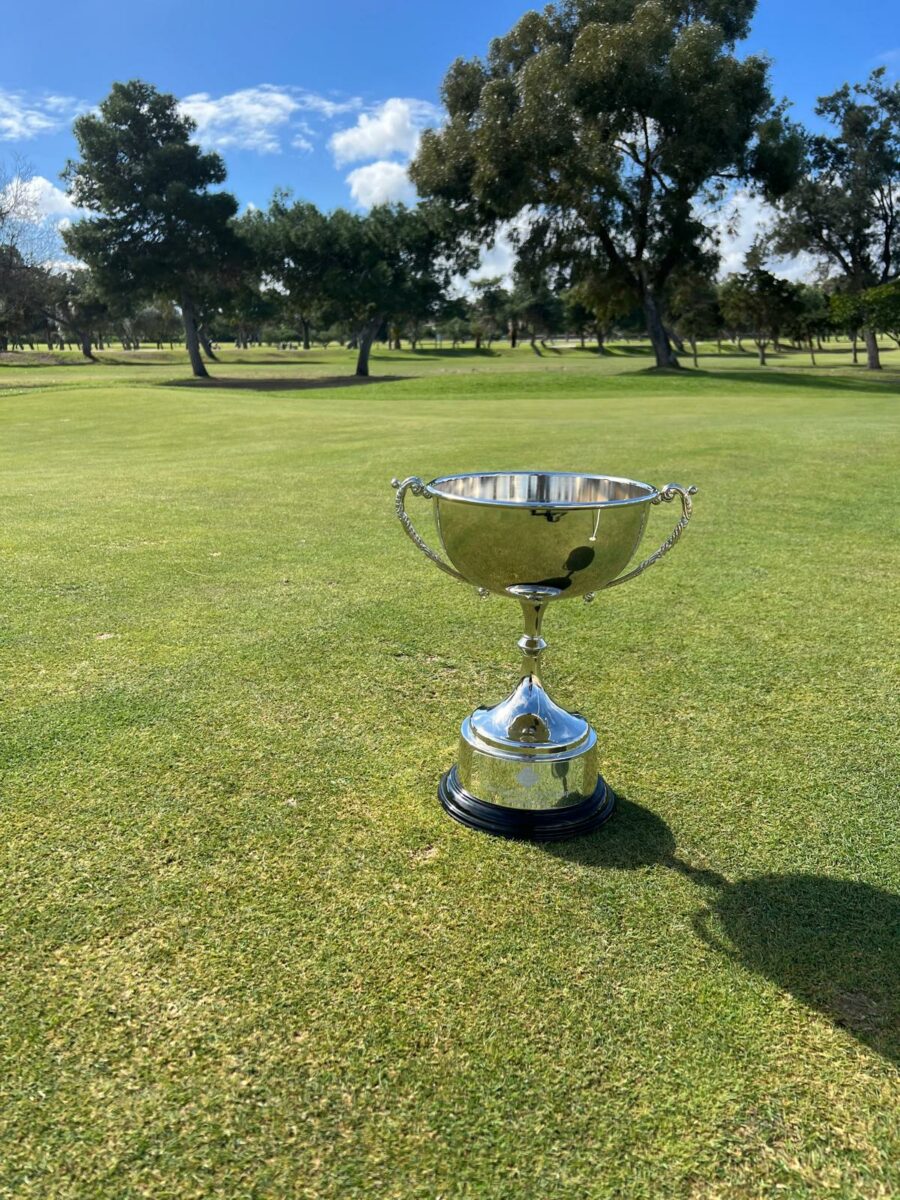
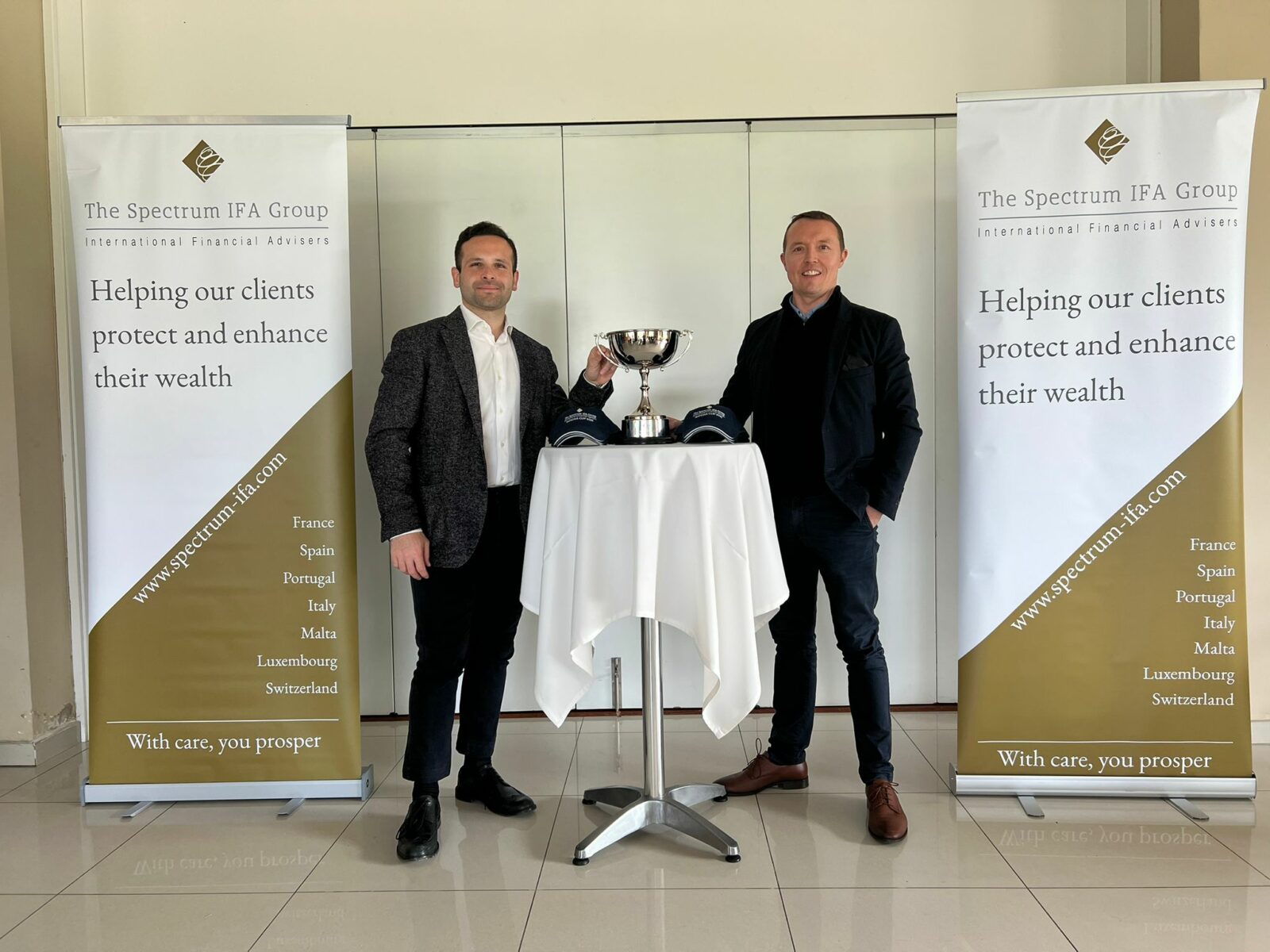
They were there to present the trophy, which will be handed over to the winning team, next month.
Despite trailing, Malta/GBI still have it all to play for with a big win for either side potentially upsetting the Apple Cart.
Watch out for the next match on 31st March
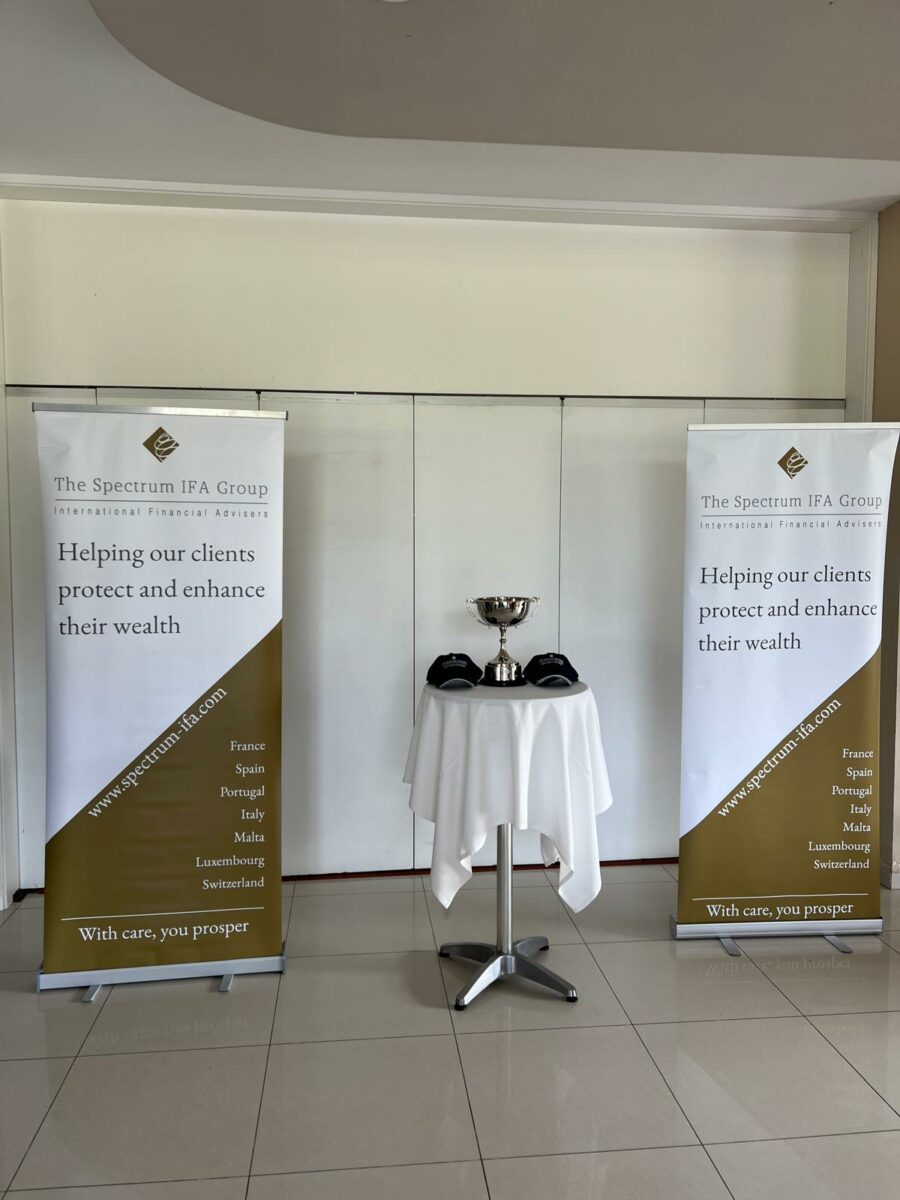
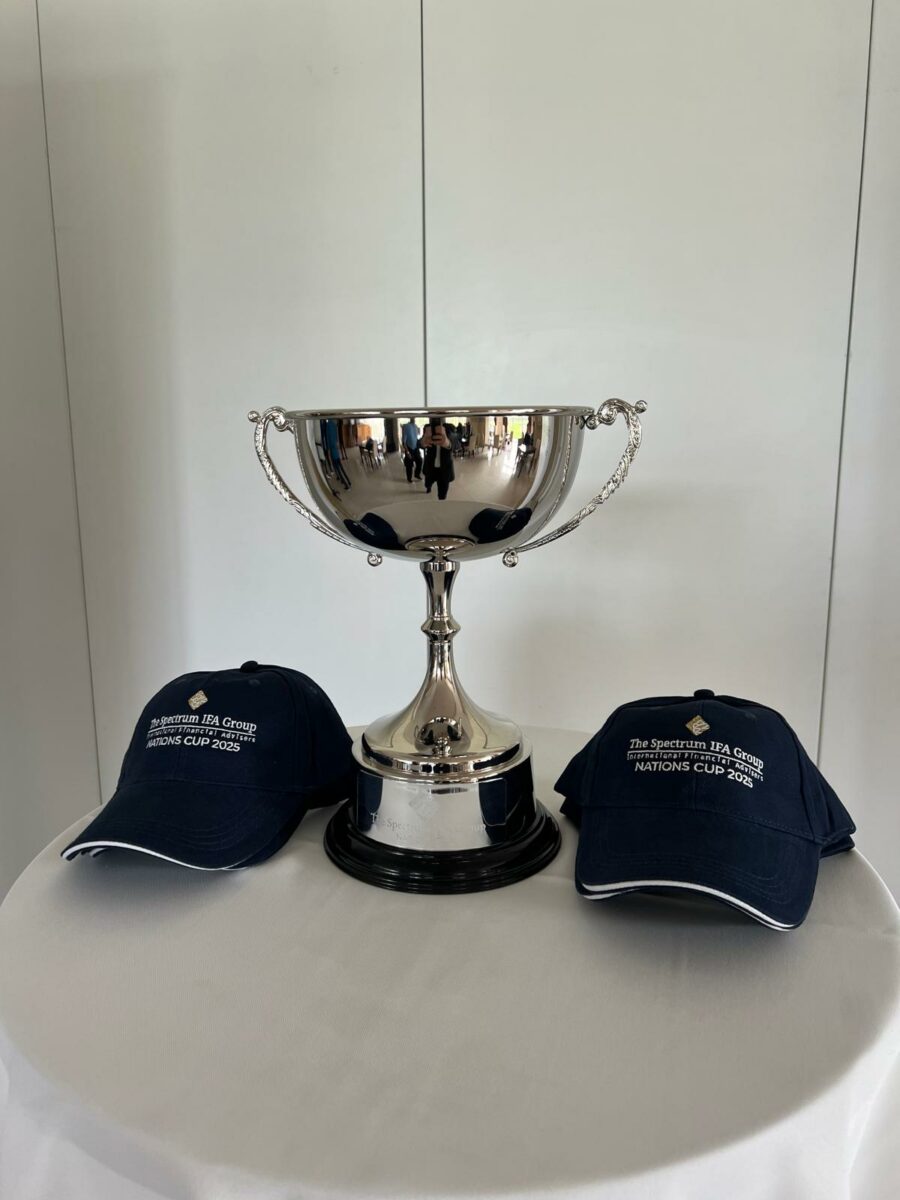
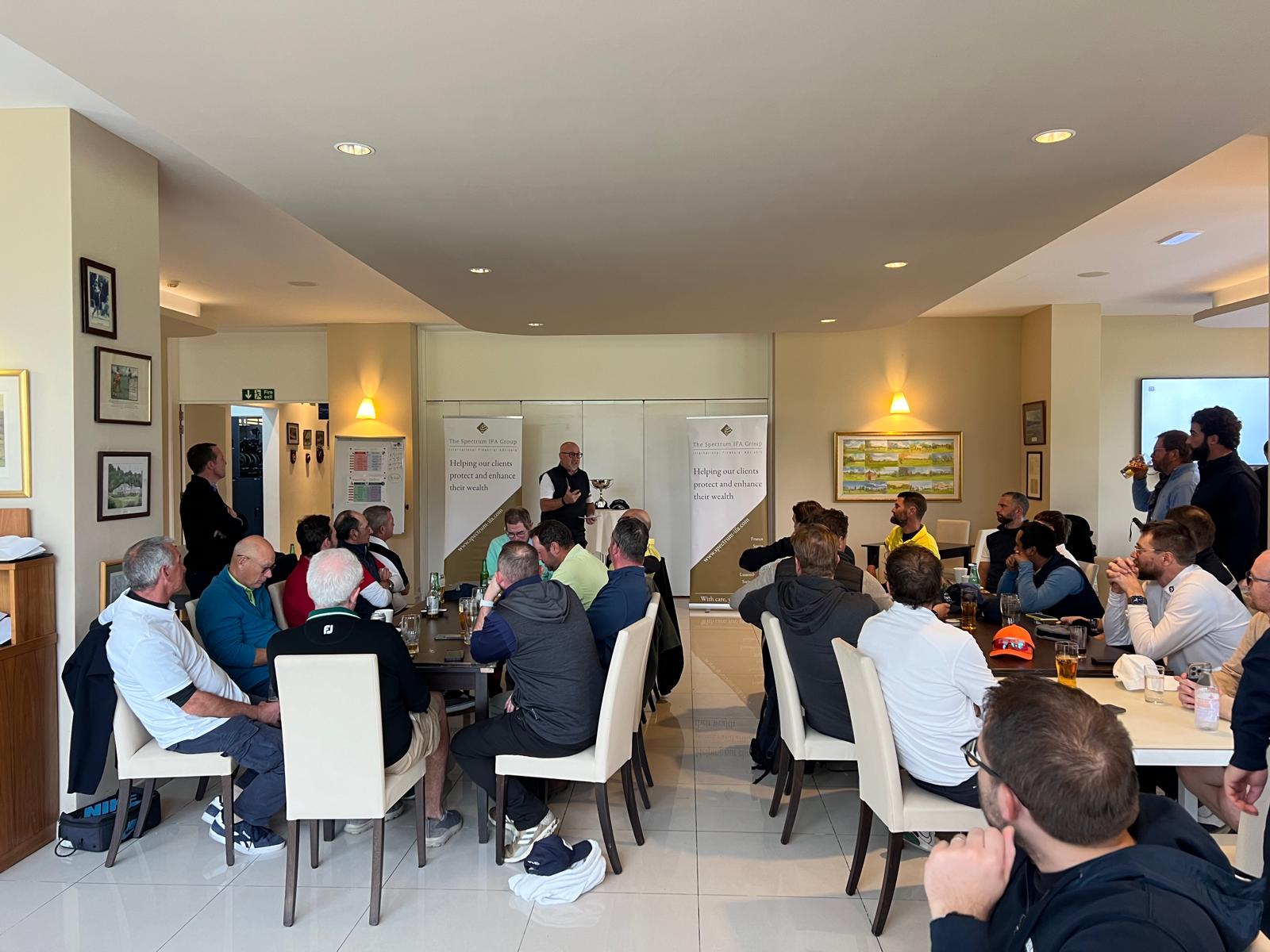
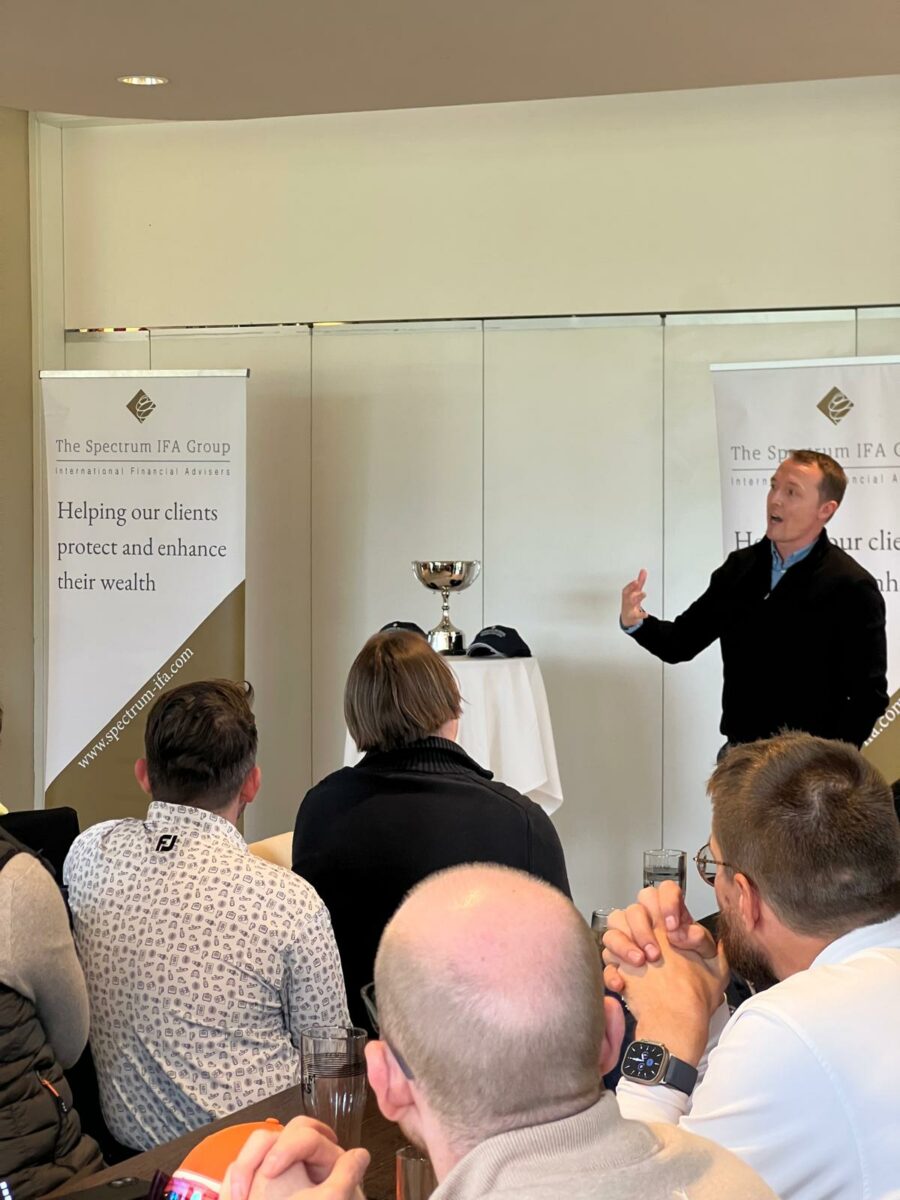
The Spectrum IFA Group Title Sponsor of The Nations Cup at Royal Malta Golf Club
By Craig Welsh
This article is published on: 12th November 2024

12.11.24
Some big news coming from our Malta office.
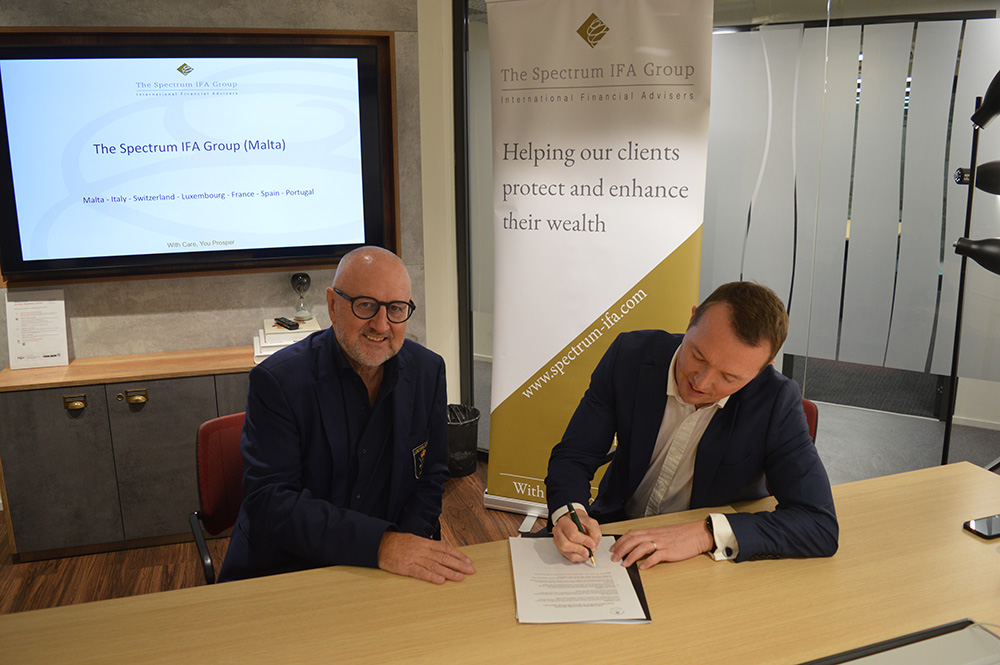
The Spectrum IFA Group, thanks to the efforts of our branch manager, Craig Welsh, will be the main sponsor of the Nations Cup.
The Nations Cup will be organised by the Royal Malta Golf Club, teeing off in December 2024. This will be a 3 matchday competition between teams representing Malta, GB & Ireland, Scandinavia and Nordics, and The Rest of the World.
This year’s innagural event will feature Spectrum IFA Group as the title sponsor, bringing a new level of excitement and international flair to the club. Known for delivering tailored financial planning services to expatriates across Europe, The Spectrum IFA Group is a fitting partner for an event that celebrates global connections and international sportsmanship.
The Nations Cup is set to become a highlight in the RMGC golf calendar, featuring teams from Malta, Great Britain and Ireland, Scandinavia and the Nordics, and a collective team from “The Rest” regions. This competition will foster camaraderie and regional pride as these diverse teams vie for victory.
We feel that Spectrum IFA Group is a fitting partner for an event that celebrates global connections and international sportsmanship. We look forward to the camaraderie and regional pride, as these diverse teams vie for victory on Malta’s greens!
We are looking forward to a successful event.
Tax Efficient Investing for Expats in Malta
By Craig Welsh
This article is published on: 30th January 2024
30.01.24
Many expats living in Malta will be deemed ‘non-domicile’, which means that while you are indeed ‘tax resident’ in Malta, you are also ‘non-domiciled’. This can be great news for your investment portfolio.
And as interest rates on cash deposits may well have peaked, Craig Welsh, who manages our Malta office, explains how expats can take advantage.
KEY TAKEAWAYS
- If you are living in Malta but are classed as ‘non-domicile’, then you can benefit from tax-free growth on your investment portfolio
- We help clients build tax-efficient investment portfolios according to their circumstances and risk profile
- Set aside an emergency fund of around 6-12 months expenses plus money for any upcoming purchases, then consider investing the remainder for longer-term growth
- Equities (shares) have comfortably beaten cash returns over the long-term, and interest rates look to have peaked
Investing should be with a view to the long-term and we do not recommend investing unless you have a ‘time horizon’ of at least 5 years. That simply means you don’t plan to access the money within that period. Markets go up and down, and you don’t want to be accessing your capital at the wrong time.
So – build up cash reserves which would cover your living expenses for 6-12 months. You can earn some interest on that these days, but leave it accessible. Also – if you are planning a major purchase (for e.g. wedding, car, or a property deposit) then that should also be left in cash.
Invest for Long-Term Growth
Once the emergency fund is taken care of, additional money can be invested. At Spectrum, we take you through a careful risk profiling exercise as well as discussing any sustainability preferences you may have.
We then help our clients find the most suitable, tax-efficient ‘wrapper’ and build a diversified portfolio of investments with the aim of long-term capital growth.
Inflation has dipped, and it looks like cash interest rates have peaked. No one has a crystal ball of course, but that could be good news for global markets in general. What we do know is that equities/shares have comfortably beaten cash returns over the long-term.
Our clients have access to mutual funds which have a track record of steady and consistent long-term returns. For the more adventurous investor looking for higher long-term returns, other funds / tracker-type solutions are also available.
If you would like to discuss your investment requirements, then don’t hesitate to contact Craig at craig.welsh@spectrum-ifa.com or on +356 9933 8271.
Transferring Irish Pensions Abroad
By Craig Welsh
This article is published on: 7th December 2021

07.12.21
Irish expatriates, or indeed anyone who has previously worked in Ireland, may have accumulated Irish pensions along the way. If it’s unlikely that you will return to the Emerald Isle, it may be worthwhile looking into moving these pension pots.
At Spectrum, we can help you with that.
First, there must be a bona fide reason for wishing to transfer those pensions away from Ireland. It cannot be done just to circumvent Irish taxation. Professional advice from a regulated adviser should be sought.
You may be able to transfer your Irish pension to either a Malta QROPS (Qualifying Recognised Overseas Pension) or a UK SIPP (Self Invested Personal Pension). And no, you don’t have to be living in either Malta or the UK to do so. Moving them can give you far more flexibility by allowing ‘income drawdown’ and avoiding the need to buy an annuity.
Maybe you have more than one pension scheme in Ireland? In that case, you might benefit from consolidating them into one pot. Again, that makes things a bit easier to manage; we can then help you manage the investment side too.

So, a bit more detail;
- Drawdown option; no need to buy an annuity. Withdrawing money from an Irish pension can be complex and inflexible, with some pretty complicated rules. For instance, you will find it difficult to access an Approved Retirement Fund (ARF) or an Approved Minimum Retirement Fund (AMRF) if you are non-resident in Ireland. And without an ARF / AMRF you will most likely have to buy an annuity, with no ‘drawdown’ option. Transferring out means you can access lump sum and drawdown options with no requirement to buy an annuity
- Pension benefits can be accessible from age 50 upon a transfer, and a lump sum of 30% could be taken. How the lump is assessed for taxation depends on where you are resident, so again, advice is essential
- Easier to manage when you live abroad. UK SIPPs and Maltese pensions are a bit easier for ‘expats’ to manage. In Ireland you must firstly transfer €63,500 to an AMRF/Annuity, unless you are receiving €12,700 p.a. in lifetime guaranteed pension annuity. On the other hand, UK and Maltese products have no annuity requirements
- No Irish taxation. Even if you live abroad, income from your Irish pensions will be taxed at source, as income in Ireland. Withdrawing from a UK SIPP or a Malta QROPS instead means that this income can be paid gross, with no tax at source. This depends on where you are resident however and if a double taxation agreement (DTA) is in place. Again, professional advice should be sought
- Death benefits. Irish pensions, once in payment, are liable to Irish inheritance taxes (CAT) on death, even if you are no longer resident there. With a Malta QROPS there is no Maltese inheritance tax on the remaining pension pot, although tax may be payable in the country of residence of the deceased or beneficiaries
Basically, transferring out could make your life easier. Each situation is different however, and a full review of your circumstances should be carried out.
If you do have an Irish pension and do not intend to return, please feel free to contact us at Spectrum for a no-obligation, initial discussion where we can explore your options.
Tax Efficient Investments Malta
By Craig Welsh
This article is published on: 20th October 2021

20.10.21
This week, Craig Welsh celebrates 15 years as a Spectrum adviser.
Craig started out in the Netherlands, still looks after his clients there, and has now opened a Spectrum branch in Malta.
This short clip tells you a bit more about what you can expect from your Spectrum adviser.
Whether it is Brexit concerns, how to get a better return on your savings, QROPS / SIPP pension advice, or general retirement planning, The Spectrum IFA Group is there to assist expats in Europe.
Moving on from Brexit
Brexit created a number of well-documented issues for expatriates living in the EU.
Financial planning and wealth management were impacted heavily as the Withdrawal Agreement excluded financial services and specifically the passporting of advisory licences between the UK and EU. This means that many UK based advisers and institutions are no longer able to engage with clients living in the EU.
The Spectrum IFA Group is licensed across the entire EEA and can ensure that your finances are ‘Brexit-proof’, through access to secure, locally authorised, tax-efficient investment solutions.
In countries such as Malta, you have access to many flexible investment options backed by some of the UK’s largest and most well known financial institutions.
These products, issued from Dublin or Luxembourg, are both EU regulated and highly tax efficient. Tax efficient products, designed for expatriates, are available to Maltese residents.
As a result, you can still invest with companies whose names you know and trust, whilst ensuring compliance and tax-efficiency in the country you now call home.
The Spectrum IFA opens it’s Malta office
By Craig Welsh
This article is published on: 28th September 2021

28.09.21

The Spectrum IFA Group recently announced its arrival in Malta, opening a branch in the St. Julian’s business district. It will be managed by Craig Welsh, who is a partner, and who has been with the group since 2006.
Craig will be assisting expats in Malta with their financial planning, particularly around lump sum investment opportunities, UK pension consolidation (where appropriate), Brexit issues, and general retirement planning.
Have a look at this short clip explaining a bit more about Spectrum and how they help their clients.
How Expats Can Consolidate Their UK Pensions
By Craig Welsh
This article is published on: 8th February 2019

08.02.19
Very often we are contacted by expats who have several different pension schemes, and usually they are scattered around different countries. Of course, in an ideal world pensions would be MUCH easier to keep track of, but unfortunately efforts to ‘harmonise’ pensions across the EU haven’t made much headway. Pensions are inherently linked to the taxation system of that particular country (because you usually get tax relief on the contributions you make) and so it can be very difficult to consolidate them or even move your ex-employer’s scheme to your new company scheme.
The good news is that this CAN be done with UK pensions. So, if you are an expat who has previously worked in the UK, you can consolidate them all into one pot. That ‘pot’ can be either be left in the UK, using what is known as an ‘International SIPP’, or taken out of the UK using a QROPS (Qualifying Recognised Overseas Pension Scheme).
Both the SIPP and the QROPS route can offer excellent flexibility when it comes to taking benefits, as well as very favourable estate planning opportunities (being able to pass on the full value of the ‘pot’ upon death, for example). More on that later.
BUT!
There’s a but, of course. It’s not suitable for everyone and it depends on a host of different factors. Moving any pension requires regulated advice from suitably qualified and licensed advisers. There is a proper process to go through, a process which is designed to ensure that you only transfer if it is clearly in your best interests to do so. Indeed, if you are considering moving a defined benefit (final salary) pension scheme then extra care should be taken as you will be giving up a guaranteed income, and you may find that you will need advice from two advisory firms. The regulated process is there for your protection!
Everyone’s situation is different of course, and a licensed advisory firm will look at your financial situation as a whole. But here are some general rules of thumb;
A QROPS may be suitable for you if all of the following applies to you;
- You have UK pension schemes with a total transfer value of over £100,000
- You have left the UK and do not intend to return
- You live in the EEA (European Economic Area) and you don’t intend to leave in the next 5 years*
*An OTC (Overseas Tax Charge) was introduced in 2017 which means a 25% tax charge would be applied to a transfer unless both the new pension scheme AND the pension scheme member are based in the EEA (or both are in the same country).
An International SIPP may be suitable for you if all of the following applies to you;
- You have UK pension schemes with a total transfer value of over £100,000
- You have left the UK but there is a chance you will return
- You are unlikely to be affected by the LifeTime Allowance (LTA)** of £1,030,000. If this is likely to be an issue for you, QROPS should be considered
**the LTA is the overall limit of tax-privileged pension funds you can accrue in the UK, before a Lifetime Allowance tax charge applies.
What are the benefits of consolidating?
What next? As I said before, transferring a pension requires regulated advice from suitably qualified and licensed advisers, and a full assessment needs to be carried out. If it is established that a transfer is indeed in your best interests, what can a QROPS or International SIPP offer you?
Well, both can provide you with;
-
- Flexi-Access. From the age of 55, a 25% lump sum (in some cases 30%) is available (tax-free in the UK but take care as it may be taxable in your country of residence). Thereafter you have the option of flexible drawdown (taxable income). This means you choose when you start taking your income, and you can vary how much you want to take
For those with defined benefit / final salary pensions, this can mean turning the promise of a fixed income for life into a large pot of capital you can access flexibly.
-
- Control of the Investment Pot. You are not giving up your savings for an annuity; the ‘pot’ is invested, and you can control how it is managed, according to your risk profile
- Currency Choice. Even with the International SIPP option, you can change the currency of your assets from Sterling to Euro. We had clients who took advantage of this a few years ago when the rate was €1.39 to £1, and now they’re pretty glad they did!
- Estate Planning. The pot can be passed on to your beneficiaries on death. With a QROPS the whole pot can be passed on free of tax, while the SIPP (as it is still a UK product) will be taxed at the recipient’s marginal rate only IF the deceased was aged over 75
This can be a real game-changer if you have a large defined benefit / final salary scheme, which typically offers a spouse’s pension of 50% on the death of the member. For example, I have seen many cases where it meant turning a guaranteed income for the surviving spouse of £10,000 per annum into a potential lump sum of over £500,000. Tough choice!
- Lifetime Allowance. In the UK, pension savings of over GBP 1,030,000 are taxed at either 25% or 55%. Once a QROPS has been used however, the LTA no longer applies. So, if you are anywhere close to the LTA, a QROPS should be considered
Elephant in the Room
I have deliberately not mentioned the B-word; Brexit! That’s because at the time of writing, with only 50 days until the UK is due to leave the EU, we are still no clearer as to whether the UK will leave with a deal, without a deal, or will leave at all.
The current opportunities for expats to consolidate their UK pensions may well be at risk depending on the outcome of Brexit. The rules could be changed; we just don’t know. So, it’s advisable to act now before any doors are closed.
At Spectrum we offer a free initial analysis of your UK pensions by our highly qualified advisory team, as well as our ongoing advice on portfolio management and the various retirement options. You can read some feedback from existing clients here