Tel: +34 93 665 8596 | info@spectrum-ifa.com | LinkedIn Facebook

Fraud and cyber-security

By Andrew Lawford
This article is published on: 14th January 2026

It’s time to pay (even more) attention!

We all know that we have to be careful when we are dealing with financial matters, especially when we are online.

I appreciate that this isn’t news to anyone, but it is easy to become complacent, as well as to fall behind in our awareness of the sophistication fraudsters have available to them in the era of Artificial Intelligence. I honestly think that we are all vulnerable to frauds, but if we have the humility to admit this, we can better protect ourselves against the most common pitfalls.

I recently watched a webinar made available by Cazenove Capital in the UK and whilst there were things in it that I already knew, I must admit that it also opened my eyes to how frauds are developing as well as reiterating what our best practices should be online and when dealing with financial matters generally.
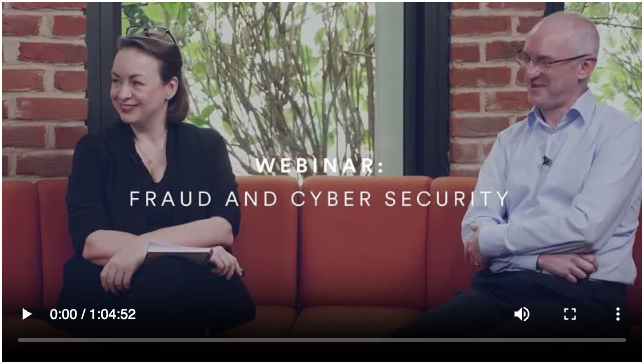
webinar made available by Cazenove Capital

I would strongly suggest that everyone takes the time to watch the full webinar, but here are a few bullet points that we all need to reflect upon:

  • The golden rule in life is that if something seems too good to be true, it most probably isn’t true. However, human nature means that it is a good idea to be reminded of this fact on a regular basis.
  • Most frauds are still relatively “low-tech” and involve things like hacking e-mail accounts – the fraudster may monitor e-mail traffic for a while before finding their opportunity, maybe by sending messages from your e-mail account to financial institutions you deal with. Two-factor authentication is an excellent protection against this possibility – if you don’t have it set-up on your e-mail accounts, do it now!
  • Be careful clicking on links in e-mails you receive! These communications seem ever more credible nowadays and can easily trap the unwary.
  • Any financial transaction that someone is urging you to carry out in a hurry should instantly raise a red flag. If you are being pressured to transfer funds, even by someone you know, hang up the phone, take a few deep breaths and call the person back on a number you know can be trusted. If you aren’t sure what to do, seek counsel from someone you trust who is not connected to the situation at hand. Deep-fake calls are a possibility (where it will appear that you are speaking to someone you know), but there are also cases where people have been contacted by complete strangers who claim that a family member is in trouble and needs money transferred in a hurry.
  • If you do expect to have to make urgent payments to someone – maybe a family member or a business associate – use code-words or agree a protocol that only you and the person concerned will know. Agree in advance which accounts any payments will be made to. SEPA transfers in the EU will now confirm the identity of the beneficiary account holder – if your bank flags up any discrepancy between the name you have entered as beneficiary and the actual account holder, take time to check!

What is Spectrum doing to protect me?

For some time now, all Spectrum advisers are required to conduct video calls or in-person meetings when processing withdrawal requests from any investments we intermediate. The fact that withdrawals generally take some time before being paid out also takes away the threat of panicked decisions being made. Of course, one day deep-fake videos will likely become a reality and so even video calls may not be trustworthy, but for today this procedure will protect against all but the most sophisticated fraudsters (and these aren’t the ones who are targeting the likes of us – they will be defrauding multinational institutions).

We must make our job that of being a harder nut to crack compared with those around us. Rather like home security alarms: they will not be sufficient to stop the world’s most sophisticated thief, but they will be enough to make the opportunistic criminal move on to an easier target.

If you find yourself confused or worried about any of the above, please don’t hesitate to give me a call to discuss. The more we are aware of the risks we face, the better we can protect ourselves.

Article by Andrew Lawford

If you live in Italy and or have financial interests in Italy you can contact Andrew Lawford directly on: andrew.lawford@spectrum-ifa.com to request more information about how he may be able to help you. Alternatively you can complete the form below and a message will be sent to him. If you would like to read more about Andrew's work you can follow his blog on tax and financial planning in Italy HERE

Contact Andrew Lawford direct about: "Fraud and cyber-security"

    The Spectrum IFA Group is committed to building long term client relationships. This form collects your name and contact details so we can contact you about this specific enquiry. For further information, please see our Privacy Policy.