


For many Americans, moving to Spain is about more than a change of scenery – it’s about improving quality of life, reducing living costs, and enjoying a better pace of living. The Non-Lucrative Visa (NLV) offers a clear pathway to residency, but in our experience, the financial planning behind the move is where the real challenges, and opportunities lie.
Viewing posts from: November 2000
Spain’s Non-Lucrative Visa for Americans
By Matthew Green
This article is published on: 17th April 2026

17.04.26
What Is the Non-Lucrative Visa?
The NLV allows non-EU citizens to live in Spain without working locally (including remote work), provided they can demonstrate sufficient financial means to support themselves.
2026 Financial Requirements
To qualify, you’ll need to show:
– Main applicant: ~€28,800 per year
– Each dependent: ~€7,200 per year
– Evidence: bank statements, investment accounts, pensions, or passive income (income is generally viewed more favorably than savings alone)
What Qualifies as Income?
Most commonly accepted sources include pensions, Social Security, investment income, and rental income
Beyond the Visa: The Real Financial Challenge
While many focus on meeting the visa requirements, fewer consider what happens next. Once you become a Spanish tax resident, your worldwide income may be taxable in Spain—while you also remain subject to US taxation. Without proper planning, this can lead to unnecessary tax exposure and complexity.
Common Mistakes We See
– Relying solely on US-based advice
– Holding non-compliant investments (such as PFICs)
– Overlooking Spanish wealth tax
– Structuring income inefficiently
– Ignoring currency considerations
How to Prepare
The most effective strategies we see clients implement before moving include:
– Restructuring investment portfolios
– Planning the timing of income and withdrawals
– Reviewing exposure to Spanish taxation
Ideally, this planning should begin 6–12 months before your move.

The Importance of Regulated Advice
There has been a noticeable shift toward individuals relying on online sources and AI-generated guidance for financial decisions. While accessible, this information is often generic and not tailored to individual circumstances—particularly when dealing with complex cross-border tax rules between the US and Spain.
We have seen cases where individuals, acting on incomplete or misinterpreted information, faced unexpected tax liabilities or held unsuitable investment structures. Regulated financial advice is different. It is personalized (with a “z”) to your specific situation, compliant with regulatory standards, and comes with accountability—ensuring recommendations are suitable and aligned with your long-term objectives.
If you are considering a move to Spain, the earlier you plan, the better your financial outcome is likely to be.
We work with US clients relocating to Spain to help structure their wealth efficiently, avoid common pitfalls, and navigate both US and Spanish tax systems with confidence.
If you would like a personalized review of your situation or to discuss your plans in more detail, feel free to get in touch for an initial consultation.
Final Thought
Meeting the visa requirements is straightforward—but getting your financial planning right is what ultimately protects and enhances your wealth over the long term.
Are Americans moving to Spain?
By Matthew Green
This article is published on: 2nd April 2026

02.04.26
And What It Means for Their Finances
In recent years, Spain has become one of the most attractive destinations for Americans looking to relocate abroad. From the Mediterranean lifestyle to a lower cost of living and high-quality healthcare, Spain offers a compelling alternative to life in the United States. However, while the lifestyle benefits are clear, the financial implications are often less understood.
The Numbers Behind the Trend
The number of Americans living in Spain has steadily increased, driven by a desire for better work-life balance, more affordable living, and the rise of remote working opportunities. Many are choosing locations such as Valencia, Alicante, and Barcelona for their combination of lifestyle and accessibility.
Key reasons for the move include:
- Improved quality of life
- Lower living costs compared to major US cities
- Access to affordable healthcare
- Flexible working and digital nomad opportunities
The Financial Reality: You Don’t Leave the IRS Behind
One of the biggest surprises for American expats is that US tax obligations continue regardless of where they live. The United States taxes based on citizenship, meaning Americans must still file annual tax returns and report worldwide income.
In addition to US requirements, living in Spain may also mean exposure to Spanish income tax, wealth tax, and reporting obligations on overseas assets.
Why Cross-Border Financial Planning Matters
Financial planning becomes more complex when two tax systems are involved. Many US-based investments can be inefficient or problematic when held while living in Spain, potentially leading to higher tax bills or administrative challenges.
With the right planning, it is possible to:
- Structure investments efficiently across jurisdictions
- Reduce unnecessary tax exposure
- Simplify financial reporting
- Align financial plans with a new lifestyle in Spain
Turning a Lifestyle Move Into a Financial Advantage
Relocating to Spain is not just a lifestyle decision—it can also be an opportunity to improve financial efficiency. With careful planning, many expats can create more predictable income, improve tax outcomes, and protect their long-term wealth.

How We Help
We work with expats to help them understand both US and Spanish financial obligations, review existing investments, and build strategies that support their new life in Spain.
If you are an American living in Spain or considering the move, now is the time to ensure your finances are structured correctly. A simple review could help reduce tax, simplify your finances, and protect your long-term wealth.
Get in touch to arrange a no-obligation discussion.
Can I Pass On My Investments Tax-Efficiently in Spain?
By Matthew Green
This article is published on: 18th October 2025

18.10.25
Moving to Spain gives you more than just a better lifestyle — it offers a fresh perspective on what really matters.
For many expats, that means not only enjoying their wealth today, but ensuring it’s passed on efficiently to loved ones tomorrow.
But here’s the catch: Spain’s inheritance and gift tax system works very differently from what most expats are used to in their home countries. And without the right planning, your family could end up facing an unnecessary and unexpected tax bill.

Understanding How Inheritance Works in Spain
In Spain, inheritance tax (Impuesto sobre Sucesiones y Donaciones) is paid by the beneficiary, not the estate.
That’s often the first surprise for newcomers — it’s your spouse, children, or other heirs who pay the tax, rather than your estate before distribution.
The amount payable depends on:
- The relationship between the deceased and the beneficiary (spouses and children generally receive the biggest allowances)
- The value of the inheritance
- The region of Spain you live in — because each autonomous community (like Valencia or Madrid) sets its own allowances and reductions
For example, Madrid currently offers one of the most generous regional allowances, with reductions of up to 99% for close family members. Valencia, on the other hand, provides smaller deductions — which can make a significant difference to your family’s eventual tax exposure.
Structuring Your Investments Can Make a Big Difference
The way you hold your assets determines how smoothly — and efficiently — they can be passed on. Investments in a Spanish tax-compliant bond can offer a number of key advantages when planning for succession:
- You retain full control of your investment during your lifetime
- You can name multiple beneficiaries, who inherit directly without the need for probate delays
- The bond’s structure allows for efficient transfer of value — avoiding the administrative complexity that often comes with overseas holdings
- Beneficiaries may receive significant tax advantages, depending on your region of residence
In short, compliant structures help your heirs inherit assets that are clean, locally compliant and immediately accessible, without triggering unnecessary tax consequences.

Avoiding Common Pitfalls
Many expats unintentionally make things more complicated by:
- Holding UK ISAs, investment accounts, or offshore funds that aren’t recognised under Spanish law
- Keeping property or assets in personal names rather than through efficient vehicles
- Failing to review beneficiary nominations after moving to Spain
These issues can create double taxation risks, delays or even cause assets to fall outside your heirs’ allowances. A simple review of your portfolio through the lens of Spanish succession law can often fix these risks before they become costly.
Peace of Mind for You and Your Family
Effective planning is about more than saving tax — it’s about clarity and peace of mind. Knowing that your wealth will transfer smoothly and efficiently to the people you care about is one of the greatest gifts you can leave behind.
Whether your goal is to ensure your spouse is financially secure, or to pass on assets to your children in the most tax-efficient way possible, a little forward planning today can make all the difference tomorrow.
Final Thought
If you’ve chosen to make Spain your long-term home, your financial plan should reflect that. Local advice can help you align your investments, pensions, and estate planning with Spanish law — so your wealth stays protected across generations.
If you’re an expat living in Valencia, Madrid, or elsewhere in Spain, and you’d like to understand how to structure your assets for efficient inheritance and succession, I can help.
We’ll review your existing arrangements and identify ways to reduce potential inheritance tax exposure, simplify the transfer of assets, and ensure your loved ones are properly protected.
Get in touch for a no-obligation consultation to discuss your personal situation and learn how to build a clear, tax-efficient legacy plan for your family.
Financial Clarity for Expats in Spain
By Matthew Green
This article is published on: 16th October 2025

16.10.25
The Expat’s Guide to Building Wealth in Spain
What Catches most Expats Off Guard
When you move to Spain, the dream is clear: sunshine, a slower pace, and more time to enjoy life. But for many expats, the reality of managing money here soon brings a new challenge — understanding how the Spanish tax system treats your investments.
In the UK or elsewhere, you might have built wealth using ISAs, premium bonds, or investment portfolios with little thought for cross-border implications. But once you become a tax resident in Spain, those same structures can start working against you rather than for you.

New Life, A New Set of Rules
One of the biggest surprises for newcomers to Spain is that Spain taxes your worldwide income and gains — not just what’s earned here. That includes dividends, interest, and even growth within investment funds.
It’s easy to assume that investments left “back home” can be ignored, but in reality, the Spanish tax authorities (Hacienda) expect full reporting of your global assets.
These are the areas where I see expats run into problems most often:
- Selling shares or funds that trigger capital gains tax at 19–28%
- Holding money in non-compliant offshore accounts
- Missing annual reporting obligations on overseas assets (Modelo 720/721)
Smarter, More Efficient Options are Available to You
Spain offers legitimate, tax-efficient investment structures designed specifically for residents. One of the most effective is the Spanish tax-compliant investment bond.
Here’s why so many expats in Valencia and Madrid are switching to these structures:
- Your money still grows through diversified investments (funds, equities, etc.)
- Growth inside the bond is tax-deferred — you only pay tax when you withdraw
- Withdrawals are treated proportionally, so only a small part is taxable
- No annual reporting required on the underlying investments
- It simplifies wealth management — one structure, one report, all compliant with Spanish law
For example, if your investment grows 5% in a year and you take a small withdrawal, only a fraction of that amount is taxable – not the full sum. Compare that to a General Investment Account, where every sale or fund switch could trigger tax immediately.
Building Your Wealth with Peace of Mind
The goal isn’t just to save tax — it’s to grow wealth sustainably, with peace of mind.
By using compliant structures, you can:
- Avoid unnecessary annual tax drag on your investments
- Allow your capital to compound over time
- Keep your financial reporting simple and transparent
And when it comes to retirement planning or accessing your UK pension, having your investments structured correctly in Spain makes a world of difference to how much you actually keep.

Why Personal Advice Matters
Every expat’s situation is unique — from how income is generated, to where assets are held, to whether a move is permanent or temporary.
That’s why getting regulated local advice matters.
The Spanish system can be generous when you plan properly – but unforgiving if you don’t.
So before you make any investment or draw from your pension, take a moment to review your setup. The right structure today can save you thousands over the years ahead, and keep your finances aligned with the lifestyle you came here to enjoy.
Spain rewards those who plan ahead. Take the time to understand your options, and you can enjoy the life you moved here for – without letting unnecessary taxes eat into what you’ve built.
If any of this resonates with your situation, the best next step is a conversation.
About Matthew
Matthew Green is a UK-qualified financial adviser based in Spain, working with British and international expats across Valencia, Madrid, and the wider Costa Blanca region.
He is a member of The Spectrum IFA Group — one of Europe’s leading independent financial advisory firms for expatriates — and is regulated to provide cross-border financial advice.
Matthew’s approach is straightforward: understand your life first, then build a plan around it. No jargon, no pressure, no one-size-fits-all solutions.
What to Expect:
It starts with a conversation — usually 20 to 30 minutes. There’s no preparation needed on your part. We’ll talk about your situation, what’s on your mind, and whether there are areas where I can help.
There’s no cost, no obligation, and no pressure. The goal is simply to give you a clearer picture of where you stand.
Driving in Spain as an expat
By Matthew Green
This article is published on: 4th October 2025

04.10.25
What you need to know about licences and rules
If you’re planning to drive in Spain as an expat, there are a few important things to know before hitting the road. From converting your license to understanding local rules, here’s a complete guide to make the process easier.
Can You Drive on Your Current Licence?
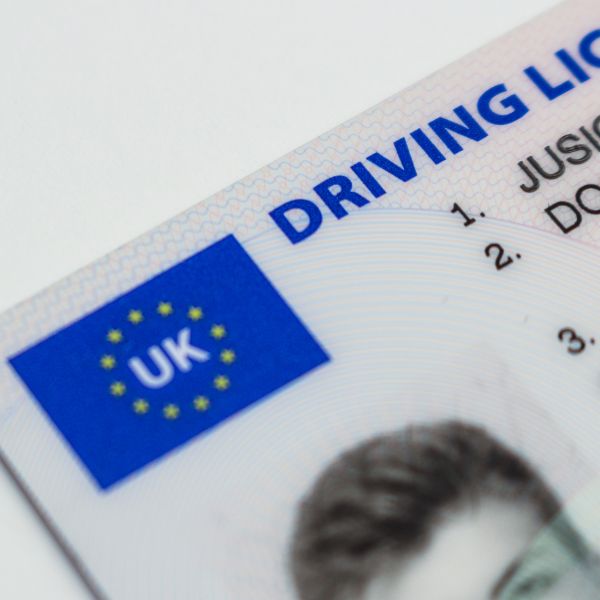
- EU/EEA Drivers: You can use your existing licence, but you may need to exchange it after two years of residency.
- Non-EU Drivers: You can usually drive with your foreign license for up to 6 months after becoming a Spanish resident. After that, you must get a Spanish licence.
- UK Drivers Post-Brexit: UK licences are no longer automatically valid beyond 6 months, but there’s a process to exchange without retaking the test (if done within the allowed timeframe).
How to Exchange Your Licence for a Spanish One
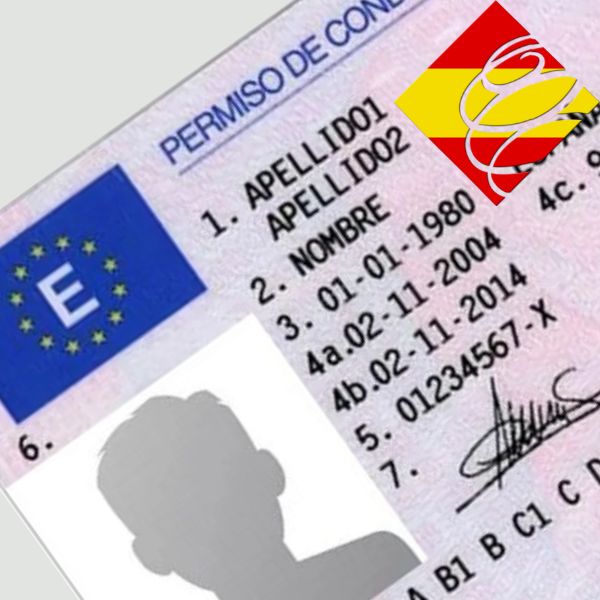
You’ll need:
- Valid foreign driving licence
- Proof of residency (padrón certificate)
- Passport/NIE
- Medical check at an authorized center (psicotécnico)
- Passport-size photos
- Application fee (around €28)
Appointments are booked through the DGT website (Spain’s traffic authority).

Driving Rules Expats Should Know
- Speed limits: 120 km/h on motorways, 90 km/h on secondary roads, 30 km/h in many urban areas.
- Always carry: licence, insurance, car papers, high-vis vest, and warning triangle.
- Using your phone while driving—even on speaker—can result in heavy fines unless hands-free.
- Alcohol limit: 0.5 g/l (lower than in some countries).
Insurance and Car Registration
If you bring your own car from abroad, you’ll need to register it in Spain and pay the relevant taxes. This can be complex—many expats hire a gestor to handle the process.
Plan Ahead for a Smooth Transition
Sorting out your driving documents is just one part of settling in Spain. Managing taxes, pensions, and investments under Spanish rules is another big step—and getting it right early can save you stress and money later.
As a financial planner with The Spectrum IFA Group here in Valencia, I help expats like you plan smart so you can enjoy life without financial worries.
If you’d like a free, no-obligation chat about setting up your finances for life in Spain, feel free to get in touch. It’s all about making sure you can enjoy everything Valencia has to offer—without financial stress.
The Cost of Living in Valencia
By Matthew Green
This article is published on: 29th September 2025

29.09.25
How to Budget for Your New Life
Valencia is one of Spain’s most attractive destinations for expats—and for good reason. With its stunning beaches, vibrant culture, and affordable lifestyle compared to other European cities, it’s no wonder so many people choose to call it home. But before you pack your bags, it’s important to understand what life in Valencia really costs and how to plan your budget.

Housing Costs
Accommodation is likely to be your biggest monthly expense. Valencia offers a wide range of housing options, from modern apartments in the city center to charming villas on the outskirts.
- City Centre: Expect to pay €900–€1,300 per month for a two-bedroom apartment in areas like Ruzafa or El Carmen.
- Suburban or Coastal Areas: Prices drop as you move away from the center—€700–€900 can get you a similar apartment in quieter neighborhoods or near the beach.
- Buying Property: Valencia is still more affordable than Barcelona or Madrid, with prices averaging €2,000 per square metre, but the market is heating up.
Tip: Factor in community fees (for building maintenance), property taxes, and if renting, a deposit (usually one or two months’ rent).

Food and Entertainment
Spain is famous for its food culture, and Valencia doesn’t disappoint. From traditional paella to modern tapas bars, eating out can be surprisingly affordable compared to Northern Europe or the US.
- Groceries: A weekly shop for two people costs around €50–€70 at local supermarkets.
- Dining Out: A menu del día (three-course lunch) costs €10–€15, while dinner for two at a mid-range restaurant might be €40–€60.
- Coffee & Drinks: Coffee is usually €1.50–€2, and a glass of wine is often under €3.
Entertainment such as cinema tickets, concerts, and cultural events are also reasonably priced – expect €8–€10 for a movie ticket.

Education and Transport
If you have children, education will be a key factor in your budget.
- Public Schools: Free for residents, though lessons are mainly in Spanish and Valencian.
- Private Schools: Fees start at around €300 per month.
- International Schools: For English-language or IB programs, expect €700–€1,200 per month per child.
Transport is another area where Valencia shines:
- Public Transport: A monthly metro/bus pass is about €40.
- Driving: Fuel is currently around €1.60 per liter, and parking in the city can be challenging and costly.

Hidden Costs Expats Often Overlook
Many new arrivals forget to budget for these:
- Healthcare Insurance: If you’re not eligible for public healthcare, private plans start at €50–€100 per month.
- Taxes: Wealth tax, property tax (IBI), and possible double taxation issues—always check your situation before moving.
- Paperwork & Administration Fees: NIE registration, residency paperwork, translations, and notary costs can add up.
- Home Setup Costs: Furniture, appliances, and deposits for utilities.
Final Thoughts
Valencia offers a fantastic quality of life at a relatively affordable price, but like any move, planning ahead is key. Create a realistic budget, understand where your biggest costs will be, and allow some flexibility for the unexpected.
As a financial planner with The Spectrum IFA Group here in Valencia, I help expats like you plan smart so you can enjoy life without financial stress.
If you’d like a free, no-obligation chat about setting up your finances for life in Spain, feel free to get in touch. It’s all about making sure you can enjoy everything Valencia has to offer—without financial stress.
School fees in Valencia
By Matthew Green
This article is published on: 19th September 2025

19.09.25
If you are a parent in Valencia and are concerned about how to meet the rising cost of private education, you are not alone. Many families are looking for smarter, more tax-efficient ways to cover these expenses without depleting their hard-earned savings.
At The Spectrum IFA Group, we help clients create investment strategies that can provide reliable income streams for school fees — while protecting wealth for the future.
The García Family Example
Mr and Mrs García live in Valencia and, like many families, are planning for the cost of private education for their children. With nursery fees averaging around €800 per month and secondary school fees closer to €960 per month, they wanted to ensure that they could cover these costs in a sustainable and tax-efficient way.
After speaking with their adviser at The Spectrum IFA Group, they looked at how best to structure their savings to provide the required income without eroding their long-term capital.
Using Investments to Generate Income
The Garcías had €250,000 available, which they invested into a tax-efficient bond. With an assumed long-term growth rate of around 5% per year, they were able to withdraw approximately €12,500 annually (about €1,040 per month).
This income stream was enough to cover the monthly school fees, while keeping the original capital invested and growing over the years.

Tax Efficiency Matters
In Spain, life assurance bonds are particularly attractive because of their favourable tax treatment. Only the gain portion of each withdrawal is taxable, making the early years especially efficient.
This structure meant the Garcías could cover school fees with minimal tax drag and without dipping into their capital base.
Flexibility and Peace of Mind
By using investment growth to fund school fees, the family maintained:
- Flexibility — withdrawals can be adjusted if fees change over time.
- Capital protection — their €250,000 remained invested for future needs, such as university costs.
- Estate planning advantages — the investment can be passed on seamlessly and tax-efficiently to their chosen beneficiaries.
The Importance of Ongoing Advice
As with any financial plan, regular reviews with their Spectrum adviser ensure the investment stays on track, adapting to changes in fee levels, market conditions, or family circumstances.
Summary: By structuring their savings intelligently, families in Valencia can meet the challenge of private school fees while preserving wealth for the future.
If you would like to explore how your savings and investments can be structured to provide for school fees — or other future goals — in a tax-efficient way, speak to The Spectrum IFA Group. A personal consultation will give you peace of mind that your plan is sustainable and tailored to your family’s needs.
Valencia’s local secrets
By Matthew Green
This article is published on: 15th September 2025

15.09.25
So you’ve made the move to Valencia—or you’re planning to. Now comes the fun part: exploring everything this beautiful city and region have to offer. Sure, you’ve heard of paella and the beach, but Valencia has so many hidden gems and local traditions that make life here truly special.
Here are some must-do experiences for newcomers that will help you fall in love with your new home.

Dive into Valencia’s Festivals
Valencia knows how to celebrate, and no event is bigger than Las Fallas in March. For two weeks, the city turns into an open-air art gallery filled with giant sculptures, fireworks every day (mascletàs), and all-night street parties. It’s loud, colorful, and unforgettable.
If you’re feeling adventurous, take a day trip to La Tomatina in Buñol—a world-famous tomato-throwing festival held in August. Wear old clothes!
Explore Albufera Natural Park
Just 20 minutes from the city, Albufera is a serene lake surrounded by rice fields—the birthplace of paella. Take a boat ride at sunset, watch the birds, and finish with a traditional paella in the village of El Palmar. This is Valencia at its most authentic.

Discover Montanejos Hot Springs
Need a break from the city? Head inland to Montanejos, a stunning mountain village known for its thermal springs and turquoise river pools.
Perfect for hiking, swimming, and soaking up nature.
Enjoy Valencia’s Beaches Like a Local
Everyone knows about Malvarrosa Beach, but if you want something quieter, try Playa de la Patacona or head to El Saler, south of the city, for natural sand dunes and crystal-clear water.

Taste Authentic Paella Where It Was Born
Skip the tourist traps on the beach and head to local favorites in El Palmar or the Ruzafa neighborhood.
Remember: paella is a lunch dish, not dinner. And yes, the real one has rabbit and chicken—not seafood.
Embrace Valencia’s Café Culture
Valencians love their coffee breaks. Find a sunny terrace, order a café con leche, and watch the world go by. Try horchata too—a sweet, milky drink made from tiger nuts, served ice cold with fartons (pastry).

Cycle the Turia Gardens
The old riverbed of the Turia is now a 9 km green park running through the city.
Rent a bike, take a picnic, or just stroll past gardens, playgrounds, and the futuristic City of Arts and Sciences.
Shop Like a Local at Mercado Central
This grand market is one of the largest in Europe and a feast for the senses—fresh produce, seafood, and local delicacies. Go early in the morning for the best experience.(pastry).
Join a Language Exchange
Want to improve your Spanish and make friends? Valencia has dozens of language exchange meetups where locals and expats come together for conversation. Great for breaking out of the expat bubble.

Take Day Trips Beyond Valencia
From the orange groves of Xàtiva to the beaches of Cullera and the historic charm of Peñíscola, there’s so much to see just an hour away.
Plan Ahead for a Smooth Transition
Valencia is full of amazing experiences—but while you’re discovering its culture, don’t forget about your financial future here in Spain. Things like tax planning, pensions, and investments work differently, and the right structure can make a big difference.
As a financial planner with The Spectrum IFA Group here in Valencia, I help expats like you plan smart so you can enjoy life without financial stress.
If you’d like a free, no-obligation chat about setting up your finances for life in Spain, feel free to get in touch. It’s all about making sure you can enjoy everything Valencia has to offer—without financial stress.
Opening a Bank Account in Spain
By Matthew Green
This article is published on: 11th September 2025

11.09.25
One of the first things you’ll need when moving to Spain is a local bank account. Whether you’re paying rent, utilities, or just want easy access to cash, having a Spanish account makes life much simpler. Here’s what you need to know.
1. Types of Bank Accounts in Spain
- Resident Accounts: For those officially registered as residents.
- Non-Resident Accounts: For people living abroad or not yet registered. Often with higher fees.
Tip: Once you have your padrón and residency, switch to a resident account for better conditions.
2. Documents You’ll Need
- Passport or national ID
- NIE (Foreigner Identification Number)
- Proof of address (rental contract, utility bill)
- Proof of income (employment contract or pension statement)
Some banks also ask for a non-resident certificate, which can be obtained from the police station or arranged by the bank.
3. Which Bank Should You Choose?
Spain has a mix of traditional banks (Santander, BBVA, CaixaBank) and digital options (Wise, N26).
Consider:
- Language support (does the bank offer English service?)
- Fees (some charge monthly maintenance)
- Online banking and app usability
4. Common Pitfalls
- Forgetting to update your status from non-resident to resident account.
- Unexpected fees—always ask for a fee schedule in writing.
- Assuming all banks offer English-speaking staff (many don’t).

Plan Ahead for a Smooth Transition
Opening a bank account is a key step – but so is understanding how to structure your income, savings, and investments in Spain. Banking here is different, and so are tax rules.
As a financial planner with The Spectrum IFA Group here in Valencia, I help expats like you make smart decisions for a stress-free life in Spain.
If you’d like a free, no-obligation chat about setting up your finances for life in Spain, feel free to get in touch. It’s all about making sure you can enjoy everything Valencia has to offer—without financial stress.
How to Register for the Padrón and NIE in Valencia
By Matthew Green
This article is published on: 8th September 2025

08.09.25
If you’re moving to Valencia, two words will come up quickly: padrón and NIE.
Both are essential for everyday life, but the process can feel overwhelming. Here’s a simple guide.
1. What is the Padrón?
The padrón municipal is the local census—registering your address with the town hall (ayuntamiento). It’s needed for:
- Health care
- School enrollment
- Resident parking permits
- Tax purposes
2. How to Register for the Padrón in Valencia
You’ll need:
- Passport or national ID
- NIE (if you have it)
- Rental contract or property deed
- Completed application form
Book an appointment (cita previa) on the Valencia City Hall website or by phone. Registration is usually free.
3. What is the NIE?
The Número de Identificación de Extranjero is your foreigner ID number. You’ll need it for almost everything: buying property, opening a bank account, paying taxes.
4. How to Get an NIE
- Apply at the foreigners’ office (Oficina de Extranjeros) or at a Spanish consulate abroad.
- Bring passport, completed EX-15 form, proof of why you need the NIE (e.g., work contract), and pay the fee (around €10).
Appointments must be booked in advance—and they fill up fast.

Common Tips
- Make photocopies of everything.
- Arrive early for your appointment.
- Consider using a gestor to avoid headaches if your Spanish is limited.
Plan Ahead for a Smooth Transition
Getting your padrón and NIE sorted is an important first step—but financial planning should be next on your list. From tax planning to pensions and investments, having a strategy will make life in Spain easier and more secure.
As a financial planner with The Spectrum IFA Group here in Valencia, I help expats like you plan for a stress-free life in Spain.
If you’d like a free, no-obligation chat about setting up your finances for life in Spain, feel free to get in touch. It’s all about making sure you can enjoy everything Valencia has to offer—without financial stress.